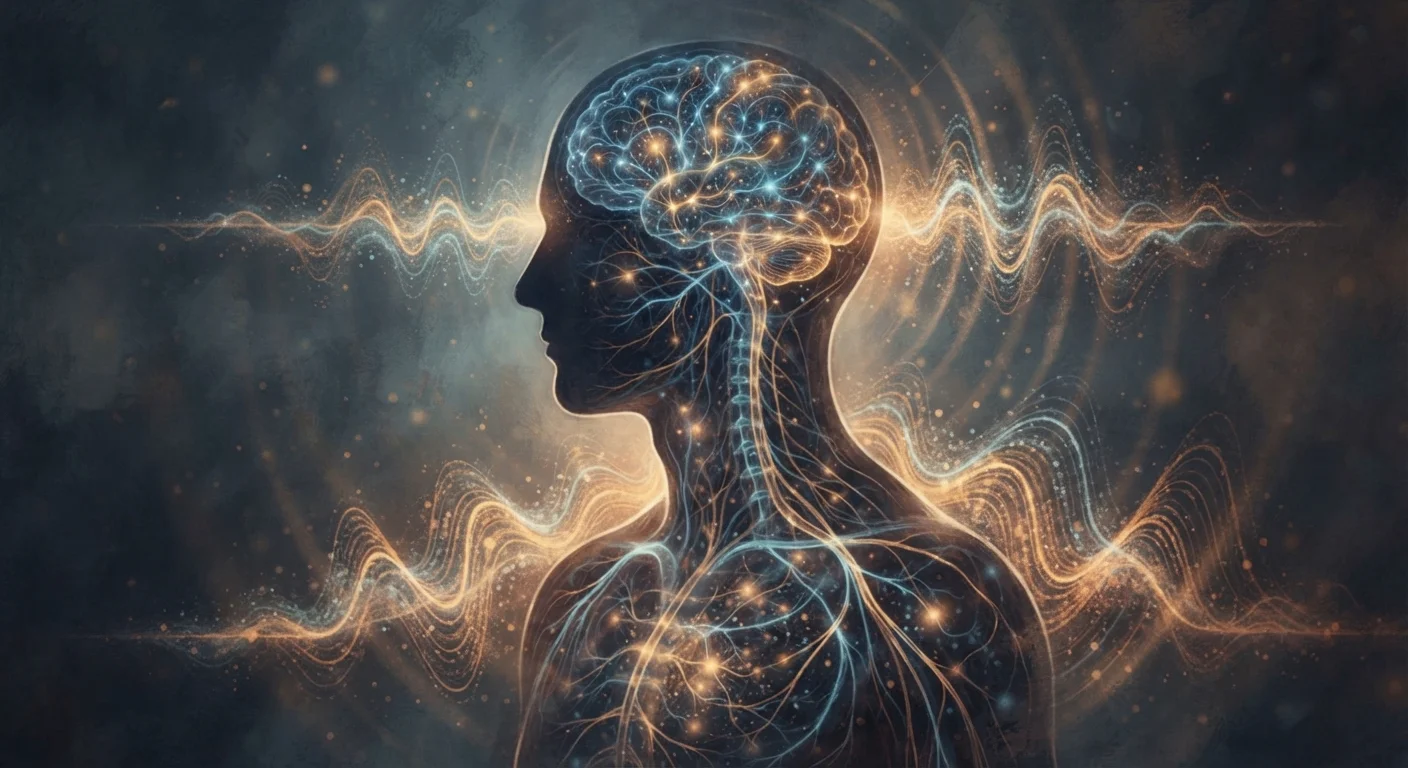
The Biology Behind the Stress Response
When the brain perceives a threat - whether a deadline or a dangerous situation - it triggers the hypothalamic-pituitary-adrenal (HPA) axis, releasing hormones like adrenaline and cortisol. These chemicals sharpen focus, accelerate heart rate, and redirect energy to muscles. In the short term, this response is protective.
The problem arises when that alarm system never fully resets. With chronic stress, the body sustains elevated cortisol levels day after day. Cortisol is essential in small doses, but in excess and over time, it begins to interfere with nearly every system in the body - from digestion and immunity to sleep and cognition.
“Stress is not simply an emotion - it is a whole-body physiological state with measurable consequences for cardiovascular, immune, and neurological health when it becomes chronic.”
— Robert Sapolsky, Neuroendocrinologist and professor, author of widely cited research on stress biology
What Prolonged Stress Does to the Body
The cardiovascular system bears a significant burden under chronic stress. Sustained high cortisol contributes to elevated blood pressure, increased heart rate, and arterial inflammation - all recognized risk factors for heart disease. The American Heart Association acknowledges the link between psychosocial stress and cardiovascular outcomes.
The immune system is also affected. While short-term stress can briefly enhance immune function, chronic stress suppresses it - making individuals more susceptible to infections and slowing recovery times. Inflammatory markers tend to remain elevated, which is associated with a range of conditions including metabolic disorders and certain mood disturbances.
Digestive health, hormonal balance, and sleep architecture are similarly disrupted. Many people under chronic stress report insomnia, appetite changes, and a persistent sense of physical fatigue that doesn't resolve with rest.
77%
Adults reporting physical symptoms of stress
According to the American Psychological Association's Stress in America surveys, a substantial majority of U.S. adults report experiencing physical stress symptoms regularly.
2-3×
Elevated heart disease risk with chronic stress
Research cited by the American Heart Association suggests individuals with high chronic psychosocial stress face significantly elevated cardiovascular risk compared to low-stress peers.
~20%
Hippocampal volume reduction linked to stress
Neuroimaging studies have found associations between prolonged elevated cortisol and meaningful reductions in hippocampal volume, impacting memory and emotional regulation.
How Chronic Stress Reshapes the Brain
One of the more striking findings in stress research is that prolonged cortisol exposure can physically alter brain structure. The hippocampus - a region critical for memory formation and emotional regulation - appears particularly vulnerable. Studies using neuroimaging have found associations between chronic stress and reduced hippocampal volume, which can contribute to difficulties with memory, concentration, and mood regulation.
The prefrontal cortex, responsible for decision-making and impulse control, may also show reduced activity under chronic stress, while the amygdala - the brain's threat-detection center - can become hyperactive. This shift partly explains why people under chronic stress often feel reactive, overwhelmed, or mentally foggy.
The encouraging finding is that much of this appears to be reversible. Neuroplasticity - the brain's ability to reorganize and adapt - means that with appropriate support and behavioral changes, recovery is considered achievable by many researchers and clinicians.
The Mental Health Connection
Chronic stress is a well-established risk factor for depression and anxiety disorders. The relationship is bidirectional: stress can trigger or worsen mental health conditions, and mental health conditions can amplify the perceived intensity of stressors. This cycle is important to recognize, because it means that addressing stress is often part of broader mental well-being care.
Social isolation can compound the effects significantly. Research consistently demonstrates that meaningful social connection serves as a buffer against stress-related health decline - see what behavioral science says about relationships and mental health for a deeper look at this evidence.
Recognize Stress as a Health Signal
Treating chronic stress as a purely emotional experience can lead people to dismiss symptoms that deserve clinical attention. If stress is affecting your sleep, physical health, or ability to function, it's worth discussing with a doctor or licensed mental health professional. Early support can prevent longer-term health impacts.
Practical Steps Toward Managing Chronic Stress
While this article is general health information and not a substitute for personalized medical guidance, behavioral research supports several evidence-based approaches for reducing the physiological impact of chronic stress. Regular aerobic exercise has demonstrated effects on cortisol regulation and mood. Mindfulness-based stress reduction (MBSR), a structured program developed at the University of Massachusetts Medical School, has shown measurable impact on perceived stress and inflammatory markers in multiple studies.
Building consistent daily structure also matters. A well-designed daily routine can reduce decision fatigue and create predictability that the nervous system responds to positively.
If you recognize persistent stress symptoms in yourself, consulting a licensed healthcare or mental health professional is the most appropriate starting point. Effective, evidence-based treatments exist - and early engagement with care tends to produce better outcomes.
This article is for general informational and educational purposes only and does not constitute medical advice. Always consult a qualified healthcare professional for concerns about your personal health or mental well-being.