Why Used Car Purchases Go Wrong
Buying a used car can be one of the smartest financial moves you make - or one of the costliest mistakes. The difference usually comes down to preparation. Most buyers who get burned don't lack intelligence; they lack a systematic approach. They rely too heavily on how a car looks or feels, skip essential verification steps, or let dealership dynamics rush them into decisions they'd never otherwise make.
This article focuses on the specific, avoidable errors that cost used-car buyers the most. Whether you're buying from a private seller, an independent lot, or a franchise dealer, the same principles apply. For broader context on the entire ownership journey, see Vehicle Ownership in America.
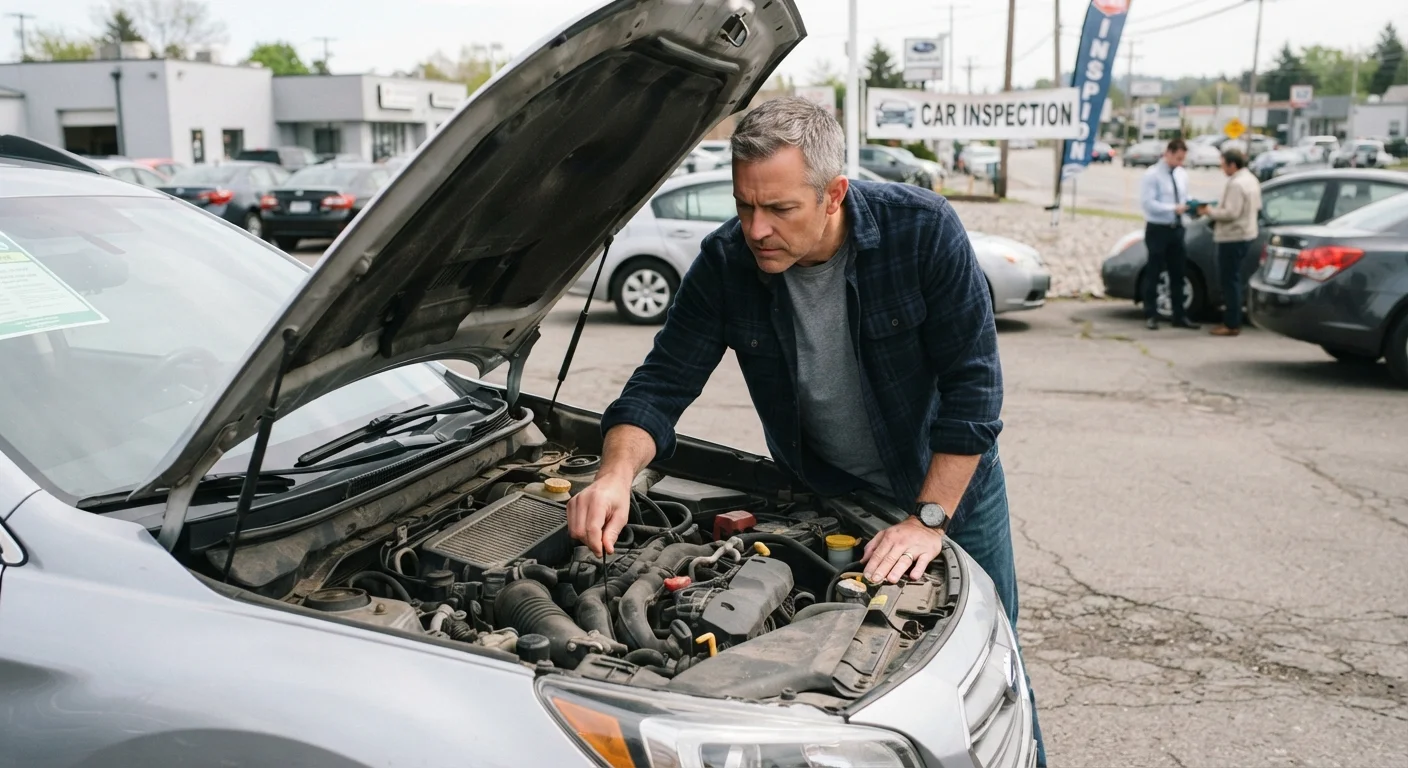
Never Skip an Independent Inspection
A pre-purchase inspection by a licensed mechanic you hire - not one suggested by the seller - is non-negotiable. It can surface hidden mechanical problems, flood damage, or prior repairs that no history report will show. The cost is typically modest compared to what a surprise repair bill could run. If a private seller or dealer refuses to allow an independent inspection, walk away.
The Most Common Mistakes - and How to Avoid Them
The errors below aren't rare or exotic. They're the same missteps that surface repeatedly in consumer complaints and mechanic waiting rooms. Understanding why they happen is just as important as knowing the fix.
Skipping a pre-purchase inspection by an independent mechanic.
Why it happens: Buyers often assume a vehicle history report or a visual once-over is sufficient, or they don't want to slow down a deal they're excited about.
Misreading or over-trusting a vehicle history report.
Why it happens: These reports are widely marketed as comprehensive, which leads buyers to treat them as a clean bill of health rather than one useful data point among several.
Not researching financing before setting foot in a dealership.
Why it happens: Many buyers focus entirely on the vehicle price and only think about financing once they're already seated with a finance manager.
Letting emotions drive the decision instead of data.
Why it happens: The excitement of finding a car that looks and feels right can override rational evaluation, especially when a seller applies time pressure.
Failing to verify the odometer reading against service records and wear patterns.
Why it happens: Odometer fraud - rolling back the mileage display - still occurs, and buyers often accept the dashboard number at face value.
Ignoring the total cost of ownership beyond the sticker price.
Why it happens: Buyers compare purchase prices but often don't account for insurance rates, anticipated repair costs, fuel economy, or parts availability for that specific model.
Title Problems Can Follow You After Purchase
Buying a car with a salvage, rebuilt, or lien-encumbered title can create serious legal and financial headaches. A salvage title means the car was previously declared a total loss by an insurer. Some lenders won't finance salvage-title vehicles, and resale value drops significantly. Always confirm the title is clean and free of liens before any money changes hands.
After the Purchase: Don't Overlook Insurance
Once you've secured a vehicle you're confident in, insurance is the next critical step - and another area where misinformation costs people money. Many buyers don't realize that the type of car, its age, and its title status can all affect what coverage you can get and at what cost. Before finalizing a purchase, get at least one insurance quote so there are no surprises. You can also explore common car insurance myths to make sure you're working with accurate assumptions about what your policy actually covers.
This article provides general educational information about used-car purchasing. It is not a substitute for advice from a licensed mechanic, financial professional, or legal adviser. Always verify local regulations and consult qualified professionals before making significant financial decisions.
~40%
Used car buyers who skip a pre-purchase inspection
Industry estimates suggest a significant portion of private-party used-car buyers forego independent mechanical inspections, increasing their exposure to undisclosed problems.
1 in 5
Used vehicles with a history red flag
Vehicle history data providers have reported that roughly one in five used cars carries a record such as an accident report, odometer issue, or title problem.