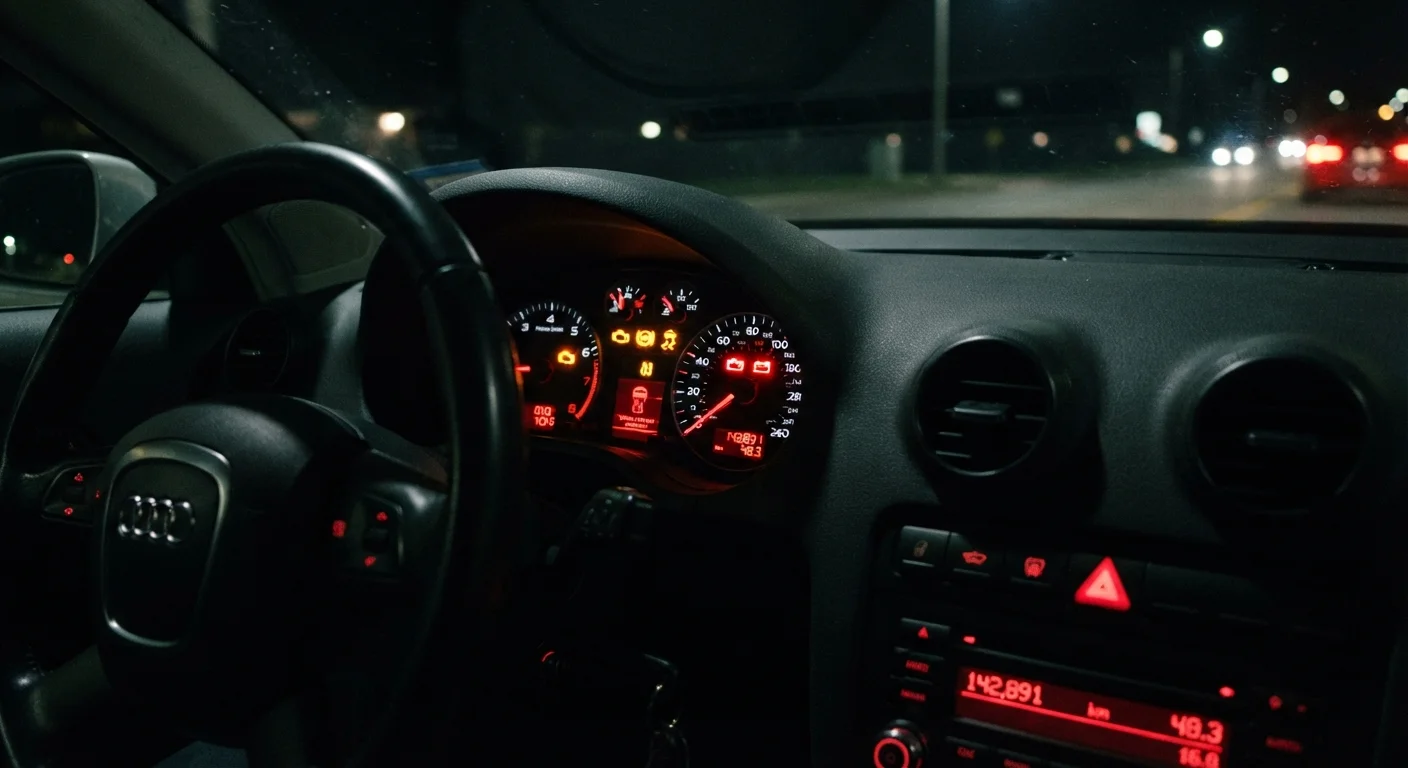
Why Dashboard Lights Exist - and Why They're Worth Understanding
Modern vehicles are equipped with onboard diagnostic systems that continuously monitor dozens of sensors and components. When something falls outside normal operating parameters, the system triggers a warning light on your instrument cluster. These lights aren't suggestions - they're your vehicle communicating a real condition that ranges from routine to urgent.
The problem is that most drivers either ignore lights they don't recognize or panic over ones that are essentially informational. Neither response serves you well. Understanding what each symbol represents lets you make an informed judgment call: keep driving, schedule a service appointment, or pull over immediately.
For a broader picture of keeping your vehicle in good shape, see maintenance intervals most drivers overlook - many warning lights appear precisely because routine service has been delayed.
| Number of warning lights | Typically 50-100+ on modern vehicles (Varies by make, model, and trim level) |
| Color coding (general rule) | Red = stop/urgent; Amber = caution; Green/Blue = system active (Common industry convention; check your owner's manual) |
| Check engine light causes | Hundreds of possible diagnostic codes (OBD-II standard, introduced in U.S. vehicles from 1996) |
| TPMS required in | All new U.S. passenger vehicles since 2008 (TREAD Act mandate, U.S. federal regulation) |
| Recommended action for red lights | Stop driving as soon as safely possible (General automotive safety guidance) |
Lights That Demand Immediate Attention
Some warning lights signal conditions that can cause serious engine or safety damage within minutes of continued driving. If any of the following appear, find a safe place to stop as soon as possible.
- Oil Pressure Warning (red oil can icon): This means oil pressure has dropped critically low. Driving further risks severe engine damage. Pull over, shut off the engine, and check the oil level before proceeding.
- Engine Temperature Warning (red thermometer in water): The engine is overheating. Continued driving can warp cylinder heads or crack the engine block - both expensive failures. Stop, let the engine cool, and check coolant levels only once the engine is cold.
- Battery / Charging System (red battery icon): The charging system isn't replenishing the battery. Your vehicle may keep running on reserve power for a short time, but electrical systems will begin failing. Drive directly to a mechanic or safe location.
- Brake Warning Light (red exclamation point in circle): If this appears while driving - not just on startup - it may signal low brake fluid, a hydraulic failure, or engaged parking brake. Test brakes cautiously and stop safely.
When In Doubt, Consult Your Owner's Manual
Every vehicle has unique warning light configurations - symbols and their meanings can vary between manufacturers and model years. Your owner's manual contains the definitive reference for your specific vehicle. If you've purchased a used vehicle and don't have a manual, most are available as free PDF downloads from the manufacturer's website. For used vehicle background context, reading a vehicle history report can provide additional peace of mind.
Lights That Need Prompt Attention - But Aren't Emergencies
These indicators signal conditions that won't strand you immediately but should be addressed within days, not weeks.
- Check Engine Light (amber engine outline): This is the most misunderstood light on the dashboard. It can indicate anything from a loose gas cap to a misfiring cylinder. The only way to know is to have the stored diagnostic trouble code (DTC) read by a scanner - most auto parts retailers and mechanics can do this quickly. A steady amber light is less urgent than a flashing one; a flashing check engine light typically means active misfiring and warrants prompt attention.
- Tire Pressure Monitoring System (TPMS) - amber tire with exclamation: One or more tires is significantly under-inflated. Under-inflation increases blowout risk and reduces fuel efficiency. Check pressure at your earliest opportunity and inflate to the specification listed on the driver's door jamb sticker.
- Traction Control / Stability Control (car with skid lines): If this illuminates briefly, the system is actively working - normal in slippery conditions. If it stays on, the system may be disabled or faulty.
- Low Fuel Warning: Informational, but worth noting that repeatedly running a tank near empty can stress the fuel pump over time.
Before any long trip, reviewing the pre-road-trip vehicle checklist can help catch pressure and fluid issues before warning lights appear on the highway.
OBD-II
On-Board Diagnostics, second generation - a standardized system used in U.S. vehicles since 1996 that monitors engine and emissions-related components and stores diagnostic trouble codes when a fault is detected.
Diagnostic Trouble Code (DTC)
A standardized alphanumeric code stored by the vehicle's computer when a sensor reading falls outside expected parameters. A code reader or scan tool retrieves this code to identify the source of a warning light.
TPMS
Tire Pressure Monitoring System - a sensor-based system that alerts the driver when one or more tires drops significantly below the recommended inflation pressure.
Coolant
A fluid that circulates through the engine and radiator to regulate operating temperature. Low coolant levels or a failing cooling system are common triggers for the engine temperature warning light.
Charging System
The combination of alternator, battery, and related wiring that generates and stores electrical power in a vehicle. A fault here triggers the battery warning light.