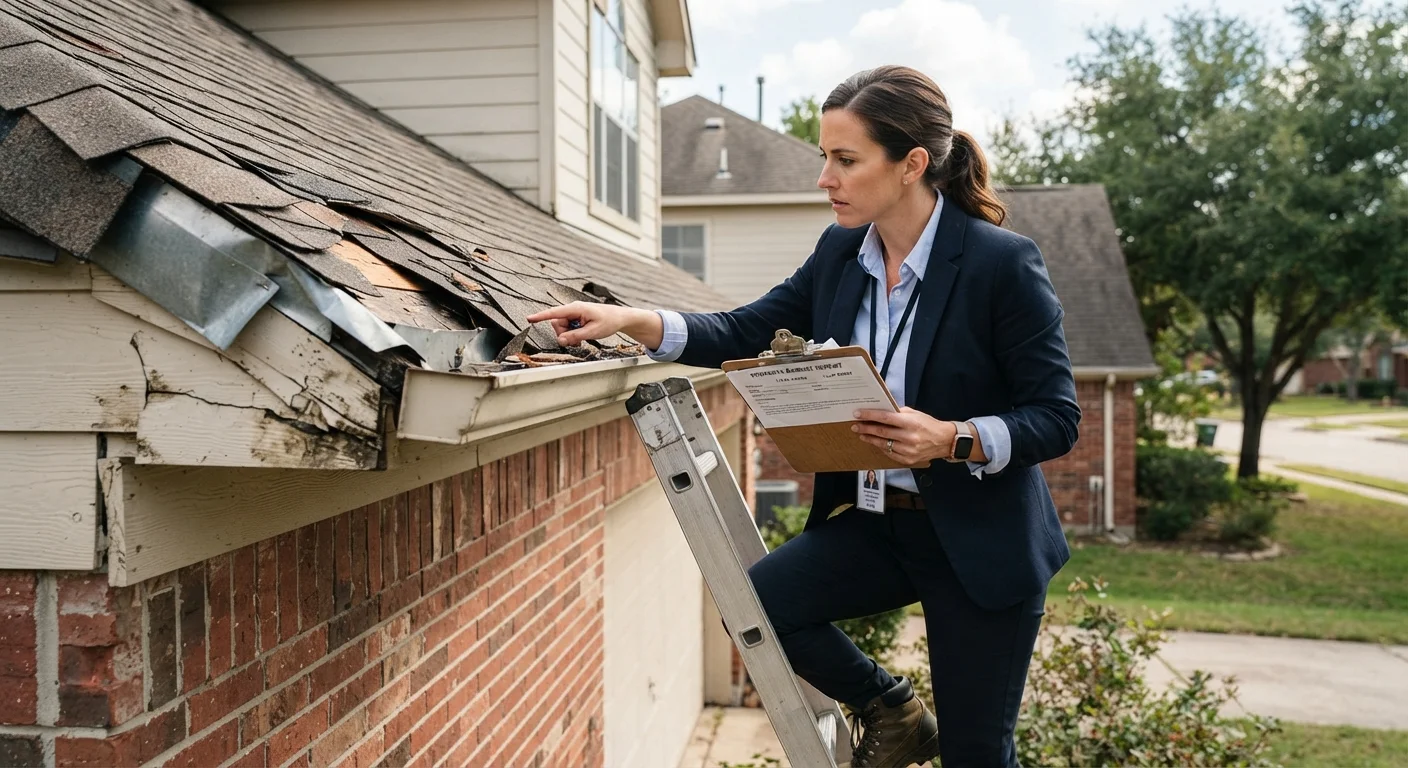
What a Public Adjuster Actually Does
When you file a property insurance claim, your insurer assigns its own adjuster to assess the damage and determine what they'll pay. That adjuster works for the insurance company. A public adjuster, by contrast, works exclusively for you.
The job covers several distinct tasks: documenting the full scope of damage (including losses that are easy to overlook), interpreting the specific language of your policy to identify all applicable coverage, preparing a formal claim package, and negotiating directly with the insurance company's representatives. They essentially manage the entire claims process on your behalf.
It's worth being clear on what they are not: public adjusters are not attorneys, and they don't provide legal advice. They also differ from independent adjusters, who are hired by insurance companies on a contract basis but still represent the insurer's interests. For a fuller breakdown of these roles, see how insurance adjusters and public adjusters differ.
Public Adjusters Are Not the Same as Attorneys
If your claim dispute reaches the point of formal legal action - such as a bad faith lawsuit against your insurer - you'll need a licensed attorney, not a public adjuster. Public adjusters handle the claims negotiation process; attorneys handle litigation. Some complex disputes may require both, at different stages.
When Hiring a Public Adjuster Makes Sense
For routine, low-dollar claims - a minor roof repair after a storm, for example - the fee a public adjuster charges may exceed any additional benefit they produce. The math tends to favor hiring one in specific circumstances:
- Large or complex losses - Major structural damage, fire losses, or significant water damage involve many line items and technical assessments. Missing even a few can mean thousands of dollars in underpayment.
- Denied or disputed claims - If your insurer has denied your claim or offered a settlement you believe is too low, a public adjuster can reopen the process, present additional documentation, and negotiate from a stronger position.
- Limited time or expertise - Claims paperwork is extensive. If you're dealing with displacement, business interruption, or simply don't have the bandwidth to manage the process, delegating it to a professional can reduce stress and oversight errors.
- Policy interpretation disputes - Coverage language is often ambiguous. Public adjusters are skilled at identifying coverage arguments that policyholders may not recognize on their own.
Common mistakes made without professional guidance are also worth understanding - policyholders frequently leave money on the table by accepting initial settlements too quickly or missing documentation deadlines.
Verify Before You Sign
Before agreeing to any contract with a public adjuster, look up their license on your state department of insurance's website. Confirm the license is active and check for any disciplinary history. Also ask whether they carry errors and omissions (E&O) insurance, which protects you if they make a mistake that harms your claim.
What to Know Before You Hire One
Before engaging a public adjuster, there are several practical points to understand:
Licensing: Public adjusters must be licensed in the state where your property is located. You can verify a license through your state's department of insurance - a quick step that's worth doing before signing anything.
Fee structure: Fees are almost always a percentage of the final settlement. States often set a ceiling on what can be charged, and some cap fees further when claims follow a declared disaster. Ask for the fee agreement in writing and read it carefully.
No guaranteed outcome: A public adjuster can improve your claim documentation and negotiating position, but no one can guarantee a specific settlement amount. Be skeptical of anyone who promises a particular result.
Timing: Involving a public adjuster early - before you've accepted any settlement - gives them the most room to work. That said, many are brought in after an initial offer has been made and rejected.
~$1,000
Typical minimum claim size where hiring help may pay off
Industry practitioners generally suggest public adjusters are most cost-effective on claims above a certain threshold, as the fee percentage must be weighed against net benefit.
50 states
States requiring public adjuster licensure
All U.S. states regulate public adjusters through licensing requirements administered by their respective departments of insurance.
Understanding your rights as a policyholder also matters throughout this process. Policyholders have legal protections during claims - including the right to a timely response and a fair investigation - regardless of whether they hire outside help.
This article is for general informational purposes only and does not constitute legal, financial, or insurance advice. Coverage terms, regulations, and fee structures vary by state and by policy. Consult a licensed insurance professional or attorney for guidance specific to your situation.