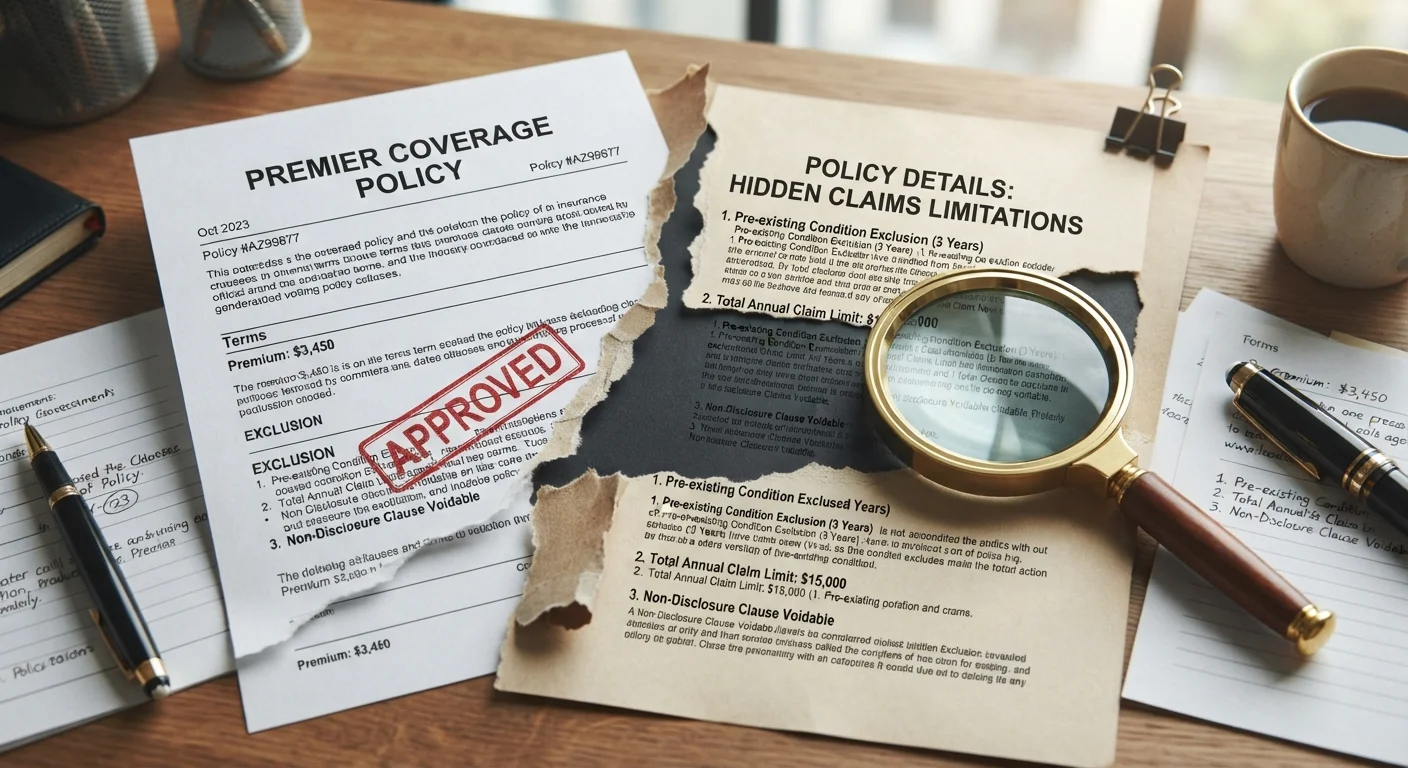
Why Insurance Myths Stick - and Why They Matter
Insurance is one of those topics most people don't engage with until something goes wrong. That gap between purchase and use creates fertile ground for myths to take hold. Word-of-mouth, outdated advice, and vague policy language all contribute to widespread misunderstandings about how coverage actually works.
The cost of believing these myths isn't academic. A renter who skips renters insurance because they assume the landlord's policy has them covered may lose thousands of dollars worth of belongings with no recourse. A driver who files every minor claim might trigger premium increases that cost far more than the payout. Understanding the basics isn't just interesting - it's financially protective.
For a broader look at how gaps in coverage can catch policyholders off guard, see our article on insurance gaps that often surprise policyholders after a claim.
Myth
'Full coverage' means everything is covered, no matter what happens.
Fact
'Full coverage' is an informal term - not a defined policy type - and it leaves out many common losses.
The phrase 'full coverage' typically refers to a combination of liability, collision, and comprehensive auto coverage. But 'comprehensive' in the insurance sense doesn't mean all-inclusive - it covers specific perils like theft, hail, or fire, not every conceivable situation. Flooding from a storm may or may not be covered depending on your policy and state. Gap between your car's actual cash value and your loan balance? Usually not covered without a separate gap endorsement.
For a plain-language breakdown of what each coverage type actually does, see our guide to auto insurance coverage types.
Myth
Red cars cost more to insure because insurers charge more for flashy colors.
Fact
Insurers in the U.S. do not use vehicle color as a rating factor - it has no effect on your premium.
When an insurer calculates your auto premium, they look at factors like the vehicle's make, model, age, engine size, safety ratings, your driving record, location, and claims history. Color simply isn't in that equation. This myth has persisted for decades despite having no factual basis in standard U.S. underwriting practices. If you want to understand what actually moves your premium up or down, our article on how insurers calculate the premium you're quoted walks through the real factors.
Myth
A higher deductible always saves you money.
Fact
A higher deductible lowers your premium, but you pay more out of pocket when you file a claim - the savings depend on how often you claim.
Choosing a deductible - the amount you pay before your insurer covers the rest - involves a tradeoff. Raising your deductible from $500 to $1,000 might reduce your annual premium noticeably, but if you file a claim in year one, you could easily spend more than you saved. The math only favors a higher deductible if you go claim-free long enough to accumulate enough premium savings to offset the larger out-of-pocket cost. Consider your financial cushion and claims history before adjusting.
Myth
Filing a claim always makes sense - that's what insurance is for.
Fact
Frequent or small claims can trigger premium increases that exceed the value of the payout.
Insurers track your claims history, and some will raise your rates - or decline to renew your policy - after even a single claim, particularly for at-fault incidents. For minor losses that are only slightly above your deductible, paying out of pocket may cost less over time than absorbing a multi-year premium increase. This doesn't mean you should avoid filing legitimate claims, but it does mean it's worth weighing the long-term cost before you call your insurer for a small loss. Our article on myths about insurance claims that cost policyholders money covers this tradeoff in more depth.
Myth
Your landlord's homeowners insurance covers your belongings if something goes wrong.
Fact
A landlord's policy covers the building structure - not your personal property as a tenant.
If a fire, burst pipe, or theft damages your furniture, electronics, or clothing, your landlord's policy will not reimburse you. Their coverage protects the physical structure they own, not the contents of your unit. Renters insurance - which is typically low-cost - fills this gap and also provides liability coverage if someone is injured in your home. Many renters go without it simply because they assume they're already covered. They're not.
Myth
Your health insurance covers you the same way everywhere in the country.
Fact
Most health plans have provider networks, and using out-of-network care can result in significantly higher costs - or no coverage at all.
HMO and EPO health plans generally require you to stay within their network for coverage (except emergencies). PPO plans allow out-of-network care but at higher cost-sharing. If you move to another state, start seeing a new doctor, or receive care at a hospital that isn't in your plan's network, you could face unexpected bills. Always verify that a provider is in-network before your appointment - don't rely on assumptions, and don't take a provider's word for it without confirming directly with your insurer.
How to Protect Yourself Against Coverage Blind Spots
The best defense against insurance myths is knowing how to read your own policy. Start with the declarations page - it summarizes your coverage types and limits. Then review the exclusions section carefully, because that's where most surprises live. If your policy references endorsements (add-ons that modify standard coverage), track down and read those too.
Misunderstanding Coverage Can Cost You Thousands
Insurance myths aren't harmless. Believing your policy covers something it doesn't can leave you with a massive unexpected bill after a loss. Before assuming your coverage applies, read your policy's declarations page, exclusions section, and any endorsements. When in doubt, call your insurer or a licensed agent and ask directly - before you file a claim.
Certain behaviors can quietly reduce or eliminate your coverage without your knowledge. Things that can void your coverage without you realizing it outlines the most common missteps. And if you're working out how much coverage you actually need - not too little, not more than necessary - our article on factors worth weighing when deciding how much coverage you actually need offers a practical framework.
~40%
Renters without renters insurance
Industry surveys have consistently found that roughly 4 in 10 renters in the U.S. carry no renters insurance policy, leaving their belongings unprotected.
3-5%
Typical premium increase per claim
According to industry analyses, filing even a single not-at-fault claim can raise auto premiums by several percentage points at renewal, depending on the insurer and state.
Insurance decisions carry real financial consequences. This article is intended as general educational information - not personalized insurance or financial advice. Policy terms, exclusions, and regulations vary by insurer, policy type, and state. Always read your policy documents carefully and speak with a licensed insurance professional before making coverage decisions.
This article is for informational purposes only and does not constitute insurance, financial, or legal advice. Coverage details, terms, and availability vary by policy and provider. Consult a licensed insurance agent or adviser for guidance specific to your situation.