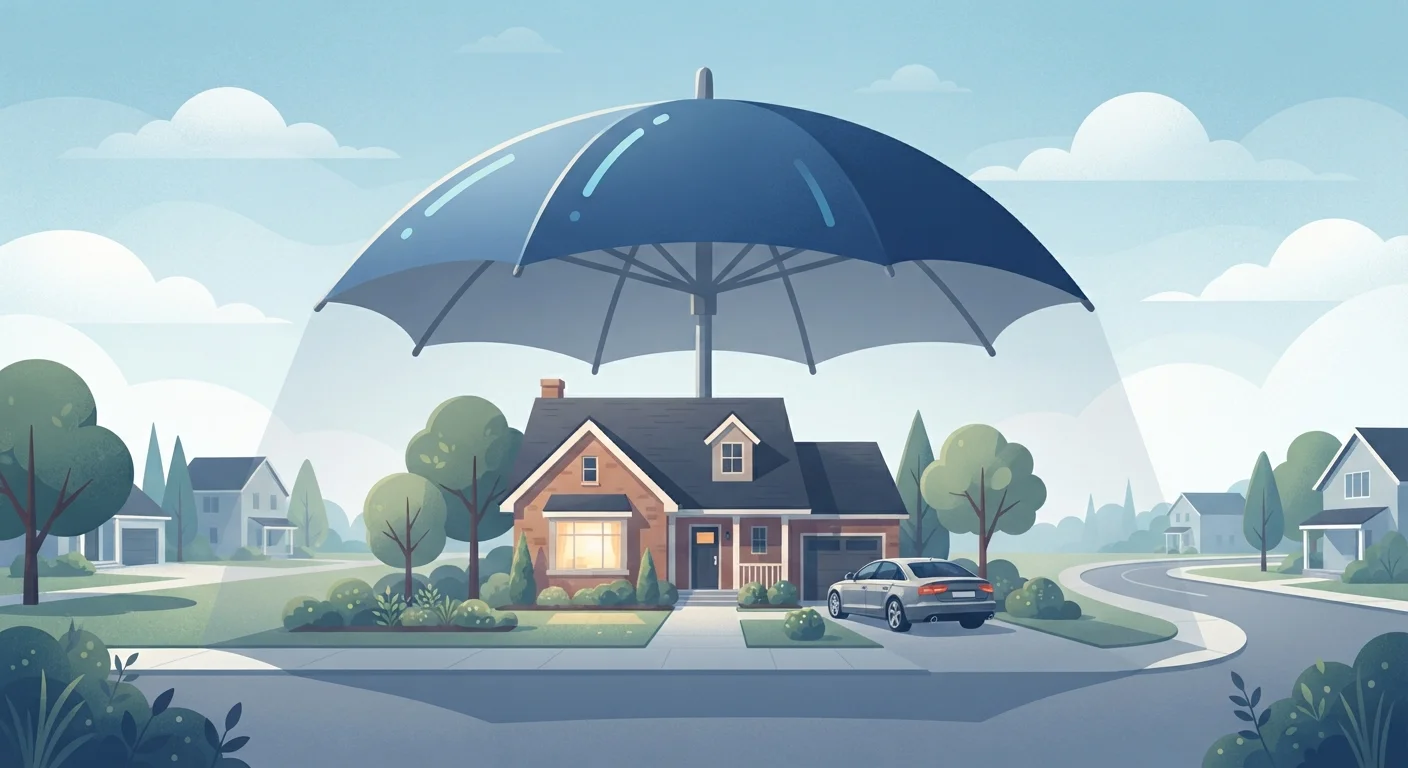
Why Standard Liability Limits Can Fall Short
Your auto and homeowners policies include liability coverage, but those limits have a ceiling. A serious car accident, a guest injured on your property, or a lawsuit that drags through the courts can generate costs that quickly outpace a standard policy's payout capacity. Once your underlying policy is exhausted, you're generally responsible for anything left over - and that can mean personal assets or future wages.
Understanding how liability limits work is foundational to knowing when umbrella coverage becomes relevant. The what policies actually cover - and what they don't is especially important here, because the gap between your limit and the actual claim is precisely where umbrella coverage operates.
Umbrella Insurance Is Not a Standalone Product
You generally cannot purchase an umbrella policy without also carrying qualifying auto or homeowners insurance. Insurers set minimum underlying liability limits - often $300,000 for home and $250,000/$500,000 for auto - that you must maintain as a prerequisite. Check with your insurer about these requirements before applying. More background on coverage basics is available at the Coverage Basics hub.
What Umbrella Insurance Covers
A personal umbrella policy generally covers liability arising from situations like:
- Auto accidents where injuries or property damage to others exceed your auto policy limit
- Injuries on your property that go beyond your homeowners liability coverage
- Lawsuits alleging defamation, libel, or slander (check your specific policy)
- Legal defense costs, which are often covered even if a claim ultimately doesn't succeed
What umbrella insurance typically does not cover includes your own bodily injuries or property, damage you cause intentionally, claims related to a business you operate, and contract disputes. Coverage specifics vary significantly between insurers, so reading the actual policy document matters.
For a fuller picture of liability within your auto policy, see the auto insurance coverage types guide. For the home side of this equation, homeowners insurance from the ground up explains how liability fits within that structure.
Who Typically Considers Umbrella Coverage
Umbrella insurance isn't exclusively for the wealthy, though people with substantial assets to protect are among its most common buyers. Others who commonly explore it include:
- Parents of teenage drivers, where auto accident risk increases
- Homeowners with pools, trampolines, or dogs - features associated with higher liability exposure
- People who host gatherings frequently
- Anyone with household employees, such as housekeepers or nannies
- Individuals who serve on nonprofit boards or coach youth sports
The common thread is elevated exposure to situations where someone else could hold them liable for significant harm. Consulting a licensed insurance professional is the right way to assess whether the coverage makes sense for your specific circumstances. This article is general educational information, not personalized insurance advice.
$1M+
Typical starting coverage amount for umbrella policies
Most personal umbrella policies are available in increments starting at $1 million, with many insurers offering up to $5 million or more.
~$150-$300
Estimated annual premium range for $1M umbrella coverage
Industry sources generally cite this range as a rough baseline, though actual premiums vary based on insurer, location, and individual risk factors.
How Umbrella Policies Work in Practice
Umbrella policies don't operate in isolation. Insurers typically require you to maintain minimum liability limits on your auto and home policies before the umbrella can take effect. When a covered claim arises, your underlying policy pays first, up to its limit. If the total claim exceeds that amount, the umbrella policy picks up the remainder - up to its own limit.
Because umbrella policies are tied to your underlying policies, gaps in your standard coverage can create complications. Insurance gaps that often surprise policyholders after a claim is a useful read for understanding how coverage layers interact. Before adding an umbrella policy, reviewing your existing coverage limits and exclusions carefully is a sensible step - and questions to ask before choosing any insurance policy offers a practical checklist for that process.
Review Your Existing Limits Before Shopping for Umbrella Coverage
Before adding an umbrella policy, find out the current liability limits on your auto and homeowners policies. If those limits are very low, you may need to increase them to qualify for an umbrella - which could affect your overall premium picture. A licensed agent can walk you through what adjustments make sense.
This article is for general informational purposes only and does not constitute personalized insurance, financial, or legal advice. Coverage terms, exclusions, and eligibility vary by insurer and state. Consult a licensed insurance professional and review actual policy documents before making coverage decisions.