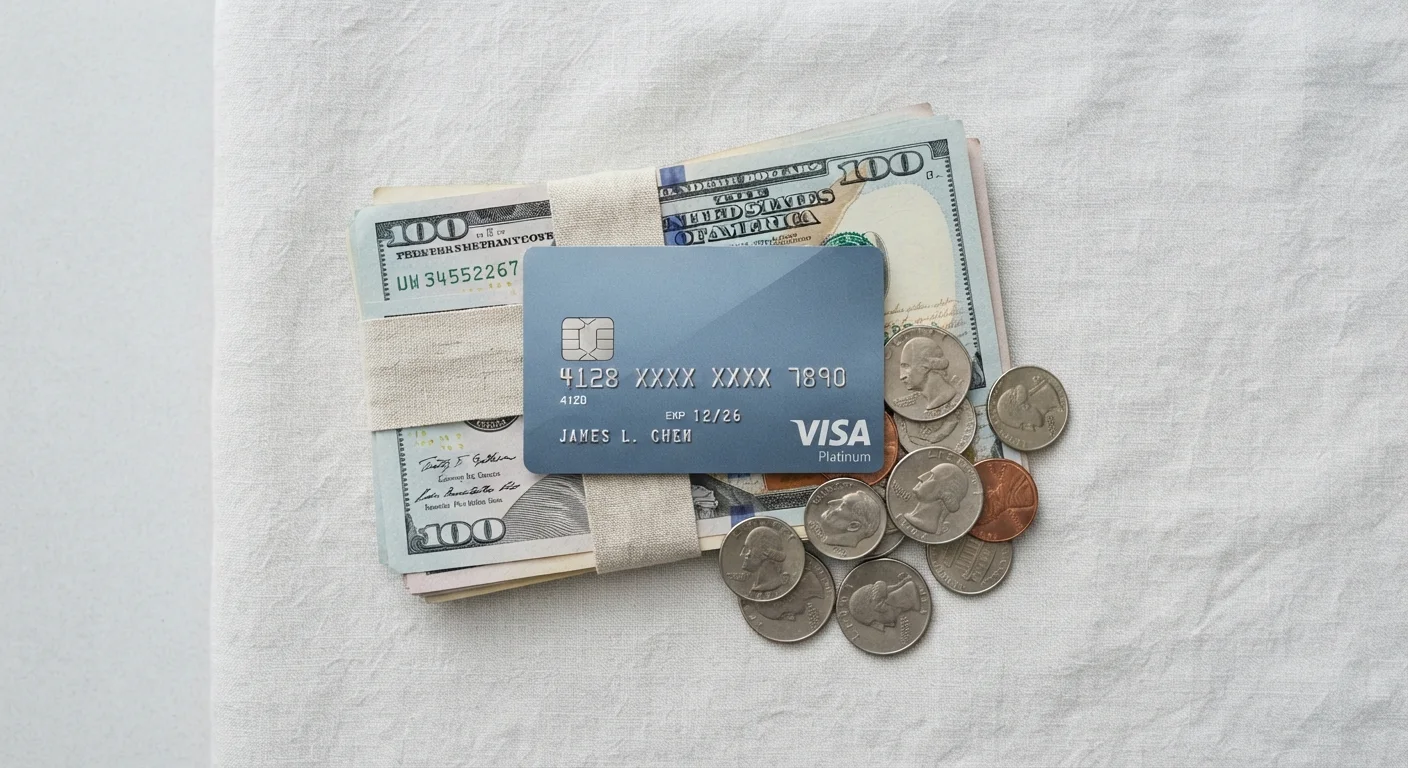
How a Secured Credit Card Works
When you open a secured credit card, you deposit money with the card issuer - often between $200 and $500, though limits vary. The issuer holds that money as collateral and, in most cases, sets your credit limit equal to the deposit amount. If you deposit $300, you can spend up to $300 on the card.
From there, the card operates exactly like a standard credit card. You receive a monthly statement, you owe at least the minimum payment by the due date, and interest accrues on any balance you carry. The deposit itself is not drawn upon for purchases - it only comes into play if you default on the account.
This structure is worth understanding clearly: a secured card is not a prepaid card. You are borrowing money each time you use it, and you are responsible for repaying what you spend. The deposit simply reduces the issuer's risk, which is why people with limited or damaged credit can often qualify.
Secured Cards vs. Prepaid Debit Cards
These two products are frequently confused but serve entirely different purposes. A prepaid debit card draws from money you load in advance and does not build credit history. A secured credit card extends actual credit, generates a monthly bill, and - when the issuer reports to bureaus - contributes to your credit file. If credit building is your goal, confirm you're looking at a secured credit card, not a prepaid product.
For a broader foundation on how credit works and why it matters, see our beginner's guide to credit before diving into specific products.
Who Secured Cards Are Designed to Help
Secured cards are primarily useful in two situations: when someone has no credit history at all, and when someone has a damaged credit history they want to rebuild.
With no credit history, traditional unsecured cards are difficult to obtain because lenders have no data to assess risk. A secured card gives issuers a safety net - your deposit - so they can extend credit despite the absence of track record. Students, recent immigrants, and adults just entering the financial system often fall into this category.
For those rebuilding after financial difficulties - such as missed payments, collections, or a bankruptcy discharge - secured cards offer a structured path back. Because most issuers report to credit bureaus, responsible use creates a positive payment history, which is the single largest factor in most credit scoring models.
35%
Weight of payment history in FICO scores
According to FICO, payment history is the single largest factor in standard credit score calculations, making on-time payments the most impactful habit for secured card users.
~45M
U.S. adults with no scoreable credit file
The Consumer Financial Protection Bureau has estimated that tens of millions of Americans are credit invisible or have unscorable files, representing the core audience that secured cards are designed to serve.
30%
Credit utilization threshold often recommended
Financial educators commonly suggest keeping your credit utilization below 30% of your available limit; lower utilization generally correlates with stronger credit scores.
One important caveat: secured cards are a tool, not a destination. The goal is to demonstrate responsible borrowing behavior, improve your credit profile, and eventually qualify for an unsecured card with better terms and no tied-up deposit.
The Real Trade-Offs to Consider
Secured cards come with meaningful limitations that are worth knowing upfront.
Higher fees and interest rates: Because secured card users are considered higher-risk borrowers, annual fees and interest rates (APR) tend to be higher than on standard cards. Carrying a balance from month to month can become costly quickly.
Tied-up capital: Your deposit is not accessible while the account is open. If you deposit $400, that money is unavailable for emergencies or other uses until the account is closed or upgraded. Consider whether this is a trade-off you can absorb.
Lower credit limits: Since your limit mirrors your deposit, secured cards typically offer less purchasing flexibility than unsecured cards. This is actually beneficial for credit-building purposes - keeping utilization low is easier with modest spending - but it may be inconvenient for larger purchases.
Not all cards report equally: Some secured cards report to all three major bureaus; others report to fewer. This matters because lenders use different bureaus when evaluating applications. Before applying, verify the card's reporting practices. You may also want to understand how the application itself affects your file - our explainer on hard vs. soft credit inquiries covers that distinction clearly.
Pay in Full to Avoid Interest Costs
The most cost-effective way to use a secured card is to pay your statement balance in full each month. This eliminates interest charges entirely - which matter more on secured cards because their APRs tend to be higher than average. Full payment still builds credit just as effectively as carrying a balance.
Making the Most of a Secured Card
The mechanics of credit building with a secured card are straightforward, but results depend on how the card is used.
Pay your balance in full each month. This avoids interest charges and demonstrates responsible borrowing. If you cannot pay in full, pay on time and keep the balance as low as possible - credit utilization (the percentage of your limit you're using) significantly affects your score.
Use the card regularly but modestly. A card with zero activity offers limited credit-building value. Small, recurring purchases - a streaming subscription or a single recurring bill - keep the account active without creating an unmanageable balance.
Monitor your credit report. Most consumers can access free credit reports through federally mandated channels. Reviewing your report periodically lets you confirm that your on-time payments are being recorded accurately.
Ask about graduation policies. Many issuers have a process to upgrade responsible accountholders to an unsecured card after a period of demonstrated good behavior, often returning the deposit in the process. Knowing your issuer's timeline helps you set realistic expectations.
Once you've built a track record, explore the habits that support long-term credit health to maintain what you've worked to build.
This article is for general informational and educational purposes only and does not constitute personalized financial or legal advice. Consult a qualified financial professional before making decisions based on your individual circumstances.