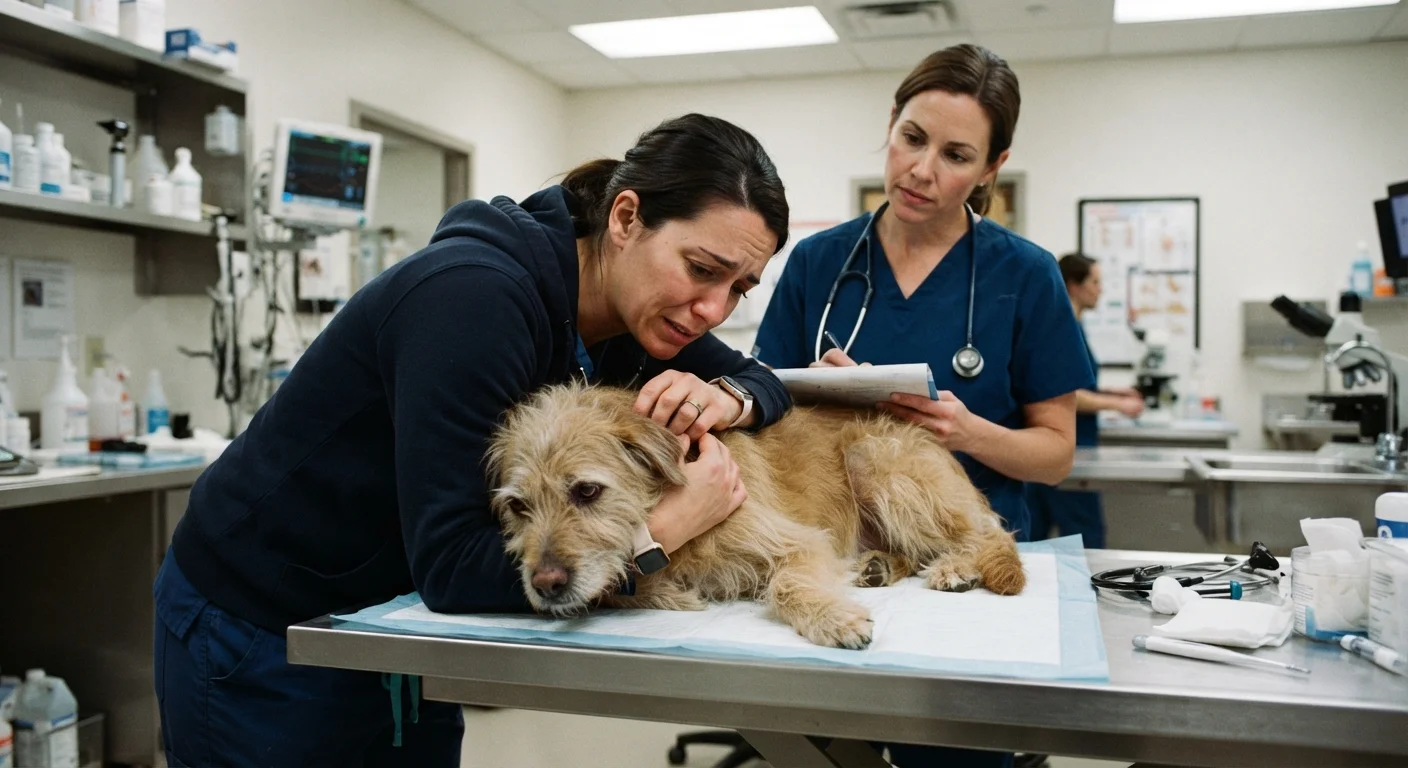
Not Every Symptom Is Equal
When your dog suddenly vomits or your cat stops eating, it can feel alarming - but not every worrying symptom is a true emergency. The challenge for pet owners is sorting the serious-but-can-wait-until-morning situations from the get-in-the-car-right-now ones. Getting that distinction wrong in either direction has real consequences: delayed care in a genuine crisis, or unnecessary panic over something that warrants only a scheduled call to your regular vet.
This reference guide is designed to help you make that call with more confidence. It does not replace the judgment of a licensed veterinarian - if you are ever genuinely unsure, err on the side of calling an emergency animal clinic or a veterinary triage line. Many are available around the clock and can help you assess urgency over the phone.
Understanding subtle signs of distress is just as important as recognizing obvious ones. Our guide on reading your pet's body language can help you tune into the quieter cues that something may be wrong.
| Emergency hotline option | ASPCA Animal Poison Control: (888) 426-4435 (ASPCA - verify current number before use) |
| Gum color in healthy pets | Pink and moist (Veterinary consensus) |
| Cats: safe food-refusal window | Less than 24 hours - hepatic lipidosis risk rises quickly (Veterinary internal medicine guidelines) |
| GDV (bloat) survival rate with prompt surgery | Significantly higher than with delayed treatment (Veterinary Emergency and Critical Care Society) |
| Urinary blockage: how quickly it becomes life-threatening | Can be fatal within 24-48 hours if untreated (Feline veterinary medicine consensus) |
Go to an Emergency Clinic Immediately
The following signs in dogs or cats represent potential life-threatening emergencies. Do not wait for your regular vet to open. Go directly to the nearest 24-hour emergency animal hospital.
< 2 min
Normal seizure duration - beyond this warrants emergency care
Most isolated seizures last under two minutes; prolonged or clustered seizures are a recognized veterinary emergency.
24-48 hrs
Window before untreated urinary blockage becomes fatal in cats
Feline urethral obstruction is one of the most time-critical emergencies in small animal medicine.
~30%
Estimated mortality rate for untreated GDV in dogs
Gastric dilatation-volvulus carries a high mortality rate without rapid surgical intervention, according to veterinary emergency literature.
Dogs
- Bloat or GDV (gastric dilatation-volvulus): A distended, hard abdomen combined with unproductive retching is a surgical emergency. Large and deep-chested breeds are at higher risk, but any dog can be affected.
- Difficulty breathing: Labored breathing, blue or gray gums, or breathing through an open mouth (unusual for dogs at rest) requires immediate evaluation.
- Collapse or sudden inability to walk: Especially when accompanied by pale gums, rapid heart rate, or unresponsiveness.
- Suspected poisoning: If you have reason to believe your dog ingested a toxic substance - including certain foods, plants, or household chemicals - contact a veterinary emergency line or poison hotline immediately. Do not induce vomiting without professional guidance.
- Seizures lasting more than two to three minutes, or multiple seizures in a short period (cluster seizures).
- Eye injuries or sudden vision changes: Eyes are time-sensitive - delay can mean permanent damage.
Cats
- Urinary blockage: Male cats straining to urinate and producing little or no urine are experiencing a potentially fatal emergency. Signs include crying in the litter box, hunching over, or licking at the genitals repeatedly.
- Open-mouth breathing or panting: Cats rarely breathe through their mouths. If yours is doing so at rest, treat it as an emergency.
- Hind limb paralysis or dragging: Sudden loss of function in the back legs in cats can indicate aortic thromboembolism (a blood clot), which is both extremely painful and rapidly progressing.
- Pale, white, yellow, or blue-tinged gums: Healthy gum color is pink. Deviation from this almost always signals a serious problem.
This article provides general educational information only and is not a substitute for veterinary medical advice. Always contact a licensed veterinarian for concerns about your specific pet's health.
Call Your Vet Today - Don't Wait
The symptoms below are not necessarily life-threatening in the moment, but they require same-day veterinary attention. Waiting a few days - or hoping the issue resolves on its own - significantly increases the risk of complications.
In both dogs and cats
- Vomiting or diarrhea more than twice in 24 hours, or any episode that includes blood
- Complete refusal to eat for more than 24 hours (especially in cats, where a condition called hepatic lipidosis can develop rapidly with prolonged food avoidance)
- Limping that does not improve within a few hours, or any non-weight-bearing lameness
- Wounds that are deep, won't stop bleeding, or appear infected (swollen, hot, discharging pus)
- Sudden, significant changes in water consumption or urination frequency
- Signs of pain: guarding a body part, vocalizing when touched, reluctance to move. For more nuanced behavioral signals, see our guide on signs of pain and discomfort.
Senior pets warrant particular attention here - what looks like a mild symptom in a younger animal can escalate faster in an older one. If your pet is aging, review how senior pet care should differ from routine maintenance.
GDV (Gastric Dilatation-Volvulus)
A life-threatening condition in dogs where the stomach fills with gas and twists on itself, cutting off blood supply. It requires emergency surgery and can be fatal within hours without treatment.
Hepatic Lipidosis
Sometimes called fatty liver disease, this condition develops in cats when they stop eating for extended periods and their body mobilizes fat faster than the liver can process it. It is serious but treatable when caught early.
Aortic Thromboembolism
A blood clot that lodges in the aorta, the main artery leaving the heart, blocking blood flow to the hind limbs in cats. It causes sudden hind-limb paralysis and extreme pain and is associated with underlying heart disease.
Urethral Obstruction
A blockage in the urethra - the tube that carries urine out of the body - that prevents normal urination. It is far more common in male cats due to their narrow urethra and becomes fatal if not treated promptly.
Cluster Seizures
Two or more seizures occurring within a 24-hour period. Unlike isolated seizures, cluster seizures carry a higher risk of serious neurological complications and require immediate veterinary evaluation.
Watch and Monitor - But Log What You See
Some symptoms are worth observing closely for 12 to 24 hours before deciding whether a vet visit is needed. These typically involve minor, isolated, and brief episodes in an otherwise alert and comfortable-seeming pet.
- A single episode of vomiting with no blood, followed by normal behavior and appetite
- Mild loose stool (one episode, no blood, still drinking and eating)
- Sneezing or minor nasal discharge with no labored breathing
- Slight decrease in energy on a hot day
- Mild limping after heavy exercise that resolves within an hour of rest
Even when you're in monitoring mode, write down what you observe: the time, what the symptom looked like, how long it lasted, and whether your pet ate, drank, or used the litter box normally afterward. Vets find this kind of time-stamped log genuinely useful when making diagnostic decisions - it helps distinguish a pattern from a one-off event.
Note that some symptoms that appear behavioral - anxiety, hiding, excessive vocalization - may actually reflect underlying physical discomfort. Our article on stress and anxiety in pets can help you identify whether what you're seeing is emotional distress, physical pain, or a mix of both.
This content is for general informational purposes only and does not constitute veterinary medical advice. Consult a licensed veterinarian for any concerns about your pet's health.