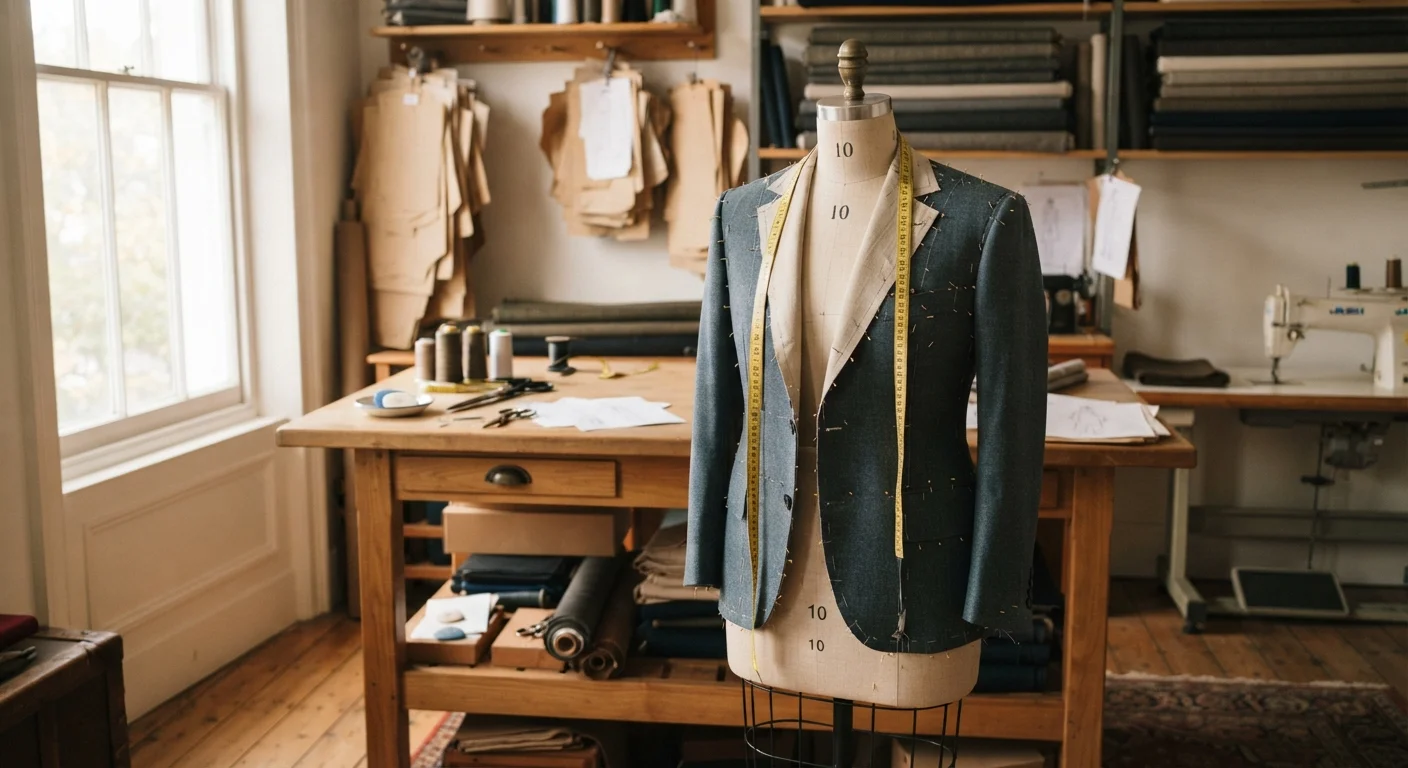
Why Tailoring Is a Skill Worth Using Selectively
Off-the-rack clothing is sized to fit a statistical range of body shapes - not any individual one. Even well-made garments routinely need minor adjustments to look polished on a specific person. That's not a flaw in the clothing or the wearer; it's just how mass production works.
The case for tailoring isn't that every garment should be altered. It's that selective, targeted alterations can extend the life and usefulness of pieces you already own - which is both financially and environmentally more sensible than replacing clothing prematurely. Many people cycle through clothes quickly without realizing that a $20 hem could have turned an unworn item into a wardrobe staple.
That said, tailoring has real limits. Cost, fabric type, and garment construction all affect what's possible and what makes sense. Understanding those limits helps you spend wisely, not reflexively. For a broader look at common misconceptions that lead to wardrobe overspending, see our piece on fashion myths that cost people money.
Cheap Garments May Not Survive Alterations
Garments made with narrow seam allowances - common in fast-fashion construction - often leave little fabric margin to work with. Letting out a seam, for example, requires enough extra fabric hidden in the seam itself. If that allowance isn't there, the alteration simply isn't possible without compromising the garment's integrity.
Measuring tape
Useful for checking your own measurements before and after alterations to verify accuracy.
Garment to be altered
The item you're bringing in - washed and in its normal wear condition.
Reference garment
A well-fitting piece in the same category (e.g., a trouser that fits well) helps the tailor understand your preferred fit.
How to Approach the Alteration Process
The steps below walk you through evaluating a garment, working with a tailor effectively, and checking results - so you get accurate outcomes without wasted money or frustrating redos.
What you will need
Assess whether the garment merits the alteration cost
Before booking a tailor, weigh the garment's value against the likely alteration cost. A simple hem on a $200 wool trouser makes clear sense. The same hem on a $15 pair of pants is harder to justify. Ask yourself how frequently you wear or plan to wear the item, whether it's made of quality materials, and whether it has sentimental or functional value that justifies the investment.
Alterations on secondhand clothing can be especially worthwhile - a well-made secondhand piece that nearly fits is often a better alteration candidate than an inexpensive new one. For more context on evaluating secondhand pieces, see our guide to secondhand vs. new clothing.
Identify what's actually wrong with the fit
Put the garment on and examine the fit systematically. Common fixable problems include: trouser hems that are too long, a waist that's too loose or slightly too snug, sleeves that run long, or a shirt that billows at the sides. Note whether the problem is symmetrical (both sides) or only on one side, which can happen due to natural differences in posture or body shape.
Be specific about what bothers you. "It pulls across the back" is more useful to a tailor than "it just doesn't feel right." The more precisely you can locate the fit problem, the more accurately the tailor can address it.
Know which alterations are reliably worth doing
The most cost-effective alterations share a common trait: they're straightforward to execute and don't require dismantling the garment's core construction.
- Hemming trousers, skirts, or dresses - quick, affordable, high impact
- Taking in side seams on shirts, dresses, or trousers - works when there's enough seam allowance
- Adjusting waistbands - standard on trousers, particularly useful for off-the-rack fits
- Shortening sleeves on shirts or jackets (non-structured sleeves)
- Tapering trouser legs - changes the silhouette significantly for modest cost
Recognize alterations that are rarely worth pursuing
Some jobs fall outside what's practical for most garments at typical alteration prices:
- Resetting shoulders on structured jackets or blazers - labor-intensive and expensive
- Letting out seams significantly - only possible if seam allowance exists; many garments don't have enough
- Altering knit or stretch fabrics - technically complex; results are often inconsistent
- Resizing a garment by multiple sizes - this is essentially constructing a new garment from an old shell
These aren't impossible, but the cost-to-benefit calculation usually doesn't hold up. Many people spend more on a difficult alteration than a better-fitting replacement would have cost.
Communicate clearly with your tailor
During the fitting, describe fit problems in terms of sensation and function: "This pulls when I lift my arms," "There's too much fabric pooling at the seat," or "The hem drags on the ground." Tailors are trained to translate physical symptoms into technical adjustments - but they need accurate input.
Ask for a timeline and written quote before work begins. Reputable tailors will pin the garment during the fitting and have you check the placement before they sew. If something looks wrong at the pinning stage, say so - it's far easier to correct before stitching than after.
[tip_callout]Inspect the finished alteration before leaving the shop
Put the garment on before you leave. Move naturally - sit down, raise your arms, walk a few steps. Check that seams lie flat, that hems are even, and that the original problem is resolved without creating a new one elsewhere. If the result isn't right, raise it in the shop. A skilled tailor will address a legitimate correction; waiting until you get home makes resolution harder.
Once altered, good care habits will protect the investment. Our fabric care guide covers laundering and storage practices that extend garment life after any alterations are made.