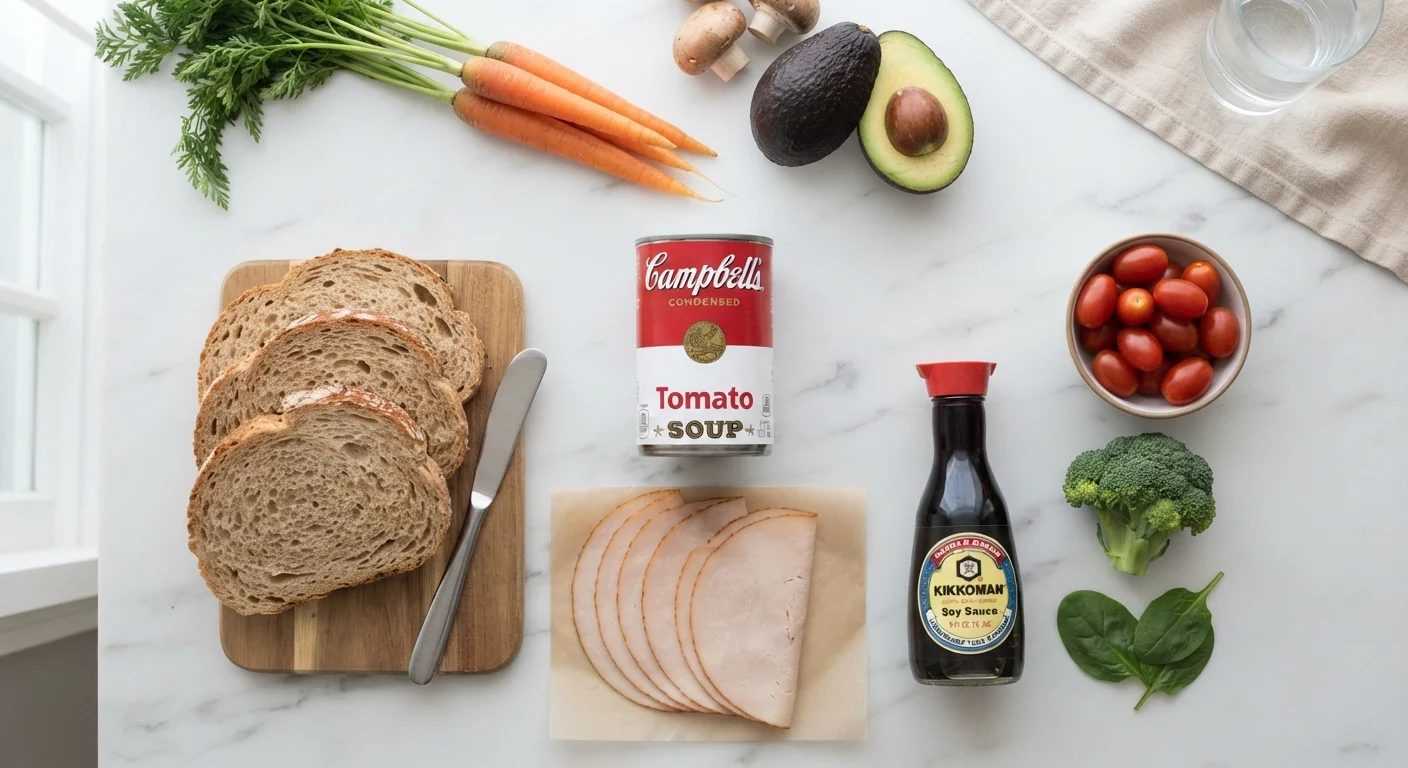
What Sodium Is and Why Your Body Needs It
Sodium is an essential mineral and electrolyte that your body relies on for a range of critical functions. It helps regulate fluid balance, supports nerve signal transmission, and enables muscle contractions - including the heartbeat. Without adequate sodium, these systems cannot operate normally.
The challenge for most Americans isn't getting enough sodium - it's getting too much. The vast majority of the sodium in the typical American diet doesn't come from the salt shaker at the dinner table. Research consistently shows that more than 70 percent of sodium intake comes from processed and restaurant foods, where it is added during manufacturing to enhance flavor, texture, and shelf life.
Sodium
An essential mineral and electrolyte found naturally in some foods and added to many processed foods as salt. It plays a key role in fluid regulation, nerve function, and muscle activity.
Electrolyte
A mineral that carries an electric charge when dissolved in bodily fluids. Sodium, potassium, and magnesium are common electrolytes that support basic physiological functions.
Hypertension
A medical condition in which blood pressure in the arteries is persistently elevated. It is a major risk factor for heart disease and stroke and is often influenced by dietary sodium intake.
% Daily Value (%DV)
A reference figure on Nutrition Facts labels indicating how much of a nutrient one serving provides relative to a general daily recommendation. For sodium, 5% DV or less per serving is considered low; 20% DV or more is considered high.
Processed Food
Any food that has been altered from its natural state through methods such as canning, freezing, curing, or adding preservatives. Processing often involves the addition of sodium for flavor and shelf stability.
Understanding where sodium comes from - and what reasonable intake looks like - is the first step toward making more informed food choices. This article is general nutritional information and is not a substitute for advice from a qualified healthcare professional or registered dietitian.
Sodium by the Numbers: What the Guidelines Say
Federal dietary guidance in the United States recommends that most adults consume no more than 2,300 milligrams (mg) of sodium per day - roughly equivalent to one teaspoon of table salt. For individuals with hypertension, kidney disease, or other conditions affected by sodium, a healthcare provider may recommend a lower target. Always consult a licensed professional for guidance tailored to your health situation.
| Recommended Daily Sodium Limit | 2,300 mg (2020-2025 Dietary Guidelines for Americans) |
| Average U.S. Adult Sodium Intake | ~3,400 mg/day (Centers for Disease Control and Prevention (CDC)) |
| Primary Source of Sodium in American Diet | Processed and restaurant foods (>70%) (CDC, National Center for Chronic Disease Prevention) |
| Sodium in 1 Teaspoon of Table Salt | ~2,300 mg (USDA FoodData Central) |
| Sodium in 1 Tbsp Soy Sauce | ~900 mg (USDA FoodData Central) |
| Sodium in 1 Cup Canned Soup (typical) | 700-900 mg (General industry range; varies by brand and product) |
Despite these guidelines, the average American adult consumes approximately 3,400 mg of sodium per day - nearly 50 percent above the recommended ceiling, according to the U.S. Centers for Disease Control and Prevention (CDC). Excess sodium intake is associated with elevated blood pressure (hypertension), which in turn is a leading risk factor for heart disease and stroke. The relationship between dietary sodium and blood pressure is well established in the medical literature, though individual responses can vary.
To put daily intake in perspective, learning to read nutrition labels is invaluable. Our guide to reading a Nutrition Facts label walks through how to interpret the % Daily Value for sodium and other nutrients.
Where Sodium Hides in Everyday Foods
Many foods with high sodium content don't taste overtly salty, which makes awareness especially important. The following categories are among the largest contributors to sodium intake in the American diet:
- Breads and rolls: A single slice of commercially prepared bread can contain 100-200 mg of sodium. Because bread is consumed so frequently, it ranks among the top contributors nationally.
- Cured and deli meats: Processed meats like ham, salami, and turkey breast are typically cured with salt. A 2-ounce serving can easily contain 500-800 mg.
- Canned soups and broths: One cup of canned soup often contains 700-900 mg of sodium. Low-sodium versions are widely available and contain significantly less.
- Condiments and sauces: Soy sauce, ketchup, salad dressings, and hot sauces are concentrated sources. Just one tablespoon of soy sauce can contain around 900 mg.
- Cheese: Hard and processed cheeses can contain 150-400 mg per serving depending on type.
- Frozen meals and fast food: A single restaurant entrée or frozen dinner can account for a full day's worth of sodium or more.
~3,400 mg
Average daily sodium intake for U.S. adults
According to the CDC, this is roughly 48% above the 2,300 mg daily recommended limit for most adults.
>70%
Share of sodium from processed and restaurant foods
The CDC reports that the majority of sodium Americans consume comes from commercially prepared and packaged foods, not home cooking.
1 in 3
U.S. adults with high blood pressure
The CDC estimates approximately one-third of American adults have hypertension, a condition strongly linked to high dietary sodium intake.
Sodium also interacts with hydration. If you're curious about how fluid intake fits into overall nutrition, see our article on why hydration is part of nutrition.
Practical Context for Managing Sodium Intake
Reducing sodium intake doesn't require eliminating entire food groups. Small, consistent shifts in food selection can meaningfully reduce overall intake over time. Choosing lower-sodium canned goods, rinsing canned beans before use, and comparing labels across similar products are all straightforward strategies.
Cooking at home more frequently gives you direct control over how much salt is added during preparation. Herbs, citrus, vinegar, and spices can enhance flavor without adding sodium. When eating out, asking for sauces on the side and opting for less-processed menu items can help as well.
Some populations - including people with high blood pressure, chronic kidney disease, heart failure, or those who are sodium-sensitive - may benefit from more careful monitoring. These individuals should work with a physician or registered dietitian to establish appropriate targets and strategies specific to their health profile.
This content is intended for general educational purposes only and does not constitute medical or dietary advice. Consult a qualified healthcare provider or registered dietitian before making significant changes to your diet, especially if you have an existing health condition.