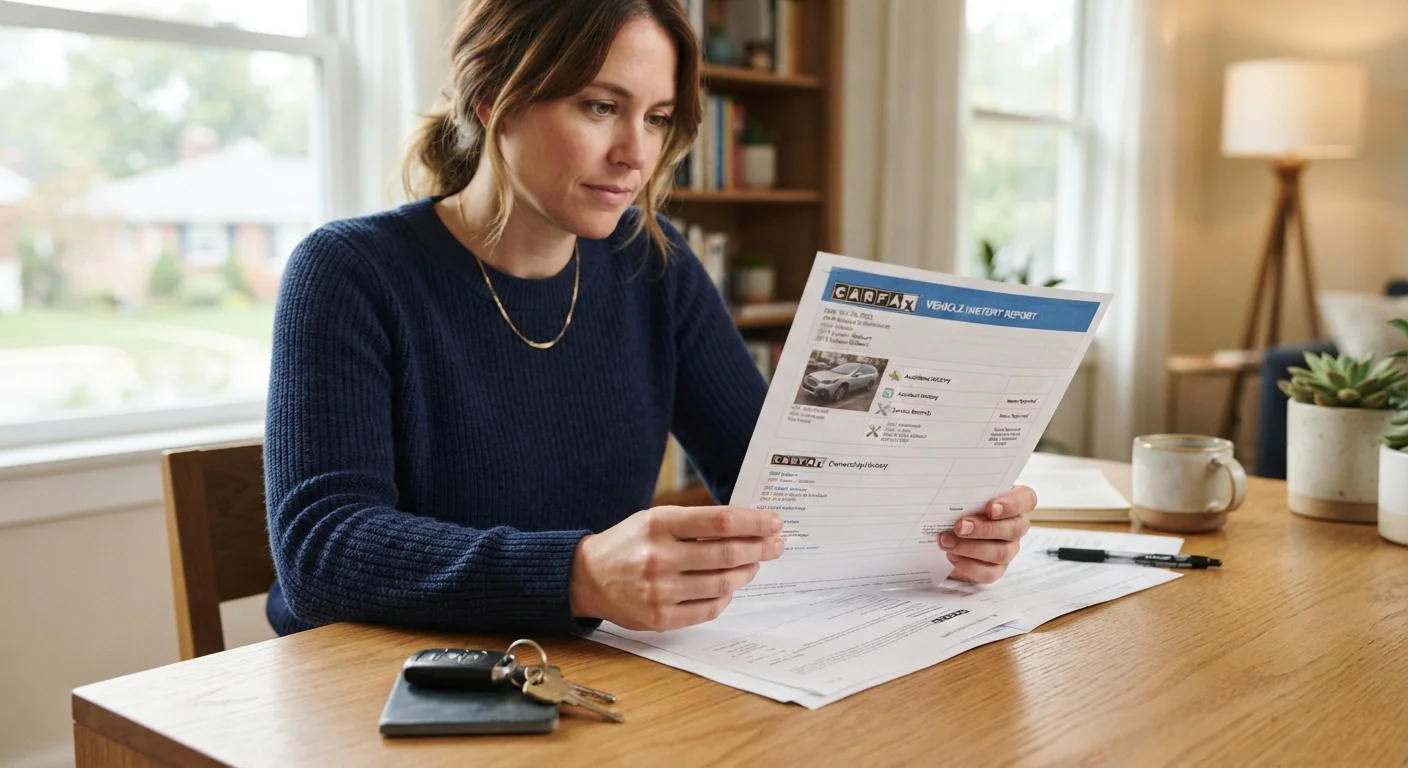
What a Vehicle History Report Actually Contains
A vehicle history report is a compiled document that aggregates records from state DMVs, insurance companies, auto auctions, inspection stations, and law enforcement databases. It's tied to a specific vehicle through its VIN (Vehicle Identification Number) - the 17-character code that functions as the car's permanent identifier. Understanding what goes into the report - and what doesn't - is essential before you put any weight on what it says.
Reports typically include: title records and any title brands, reported accident and damage events, odometer readings from inspections and service visits, ownership count and registration history, use-type flags (rental, fleet, lease), and in some cases open recall status. What they don't capture are private-party accidents that were never reported to insurance, cash-paid maintenance, and incidents in states or jurisdictions with limited data-sharing agreements.
For context on what a vehicle title actually means and why it matters, see our article on car titles and registration documents. And for a comprehensive overview of the full vehicle ownership lifecycle, the Vehicle Ownership in America guide is a useful companion resource.
What you will need
Step-by-Step: How to Read the Report
Once you have the VIN and a report in hand, work through it systematically rather than skimming for a green light or a red flag. Each section tells a different part of the vehicle's story, and context matters as much as the raw data. The steps below walk you through each section in priority order.
Vehicle Identification Number (VIN)
The 17-character VIN is required to pull a history report and uniquely identifies the specific vehicle you're researching.
Vehicle History Report Service
A report provider aggregates data from DMVs, insurance companies, salvage auctions, and inspection stations into a single document.
Licensed Pre-Purchase Inspector
A qualified mechanic performs a physical inspection to catch issues that don't appear in any paper record.
Locate and Verify the VIN
Before pulling any report, confirm the VIN on the vehicle matches what appears on the seller's title and any paperwork. Check the dashboard VIN plate (visible through the windshield on the driver's side), the sticker inside the driver's door jamb, and the title document. All three should be identical. A mismatch is an immediate red flag suggesting the vehicle may have been in a major incident or may not be what it appears.
Run the Report and Review the Title History
Enter the VIN into your chosen report service to generate the document. Start with the title history section. This tells you how many times ownership changed hands, what state(s) the vehicle was registered in, and - critically - whether the title carries any brand. Common title brands include:
- Salvage: An insurer declared the vehicle a total loss after an accident or theft.
- Rebuilt/Reconstructed: A salvage vehicle was repaired and re-inspected, but its history follows it permanently.
- Flood: The vehicle sustained water damage, often causing long-term electrical and corrosion problems.
- Lemon Law Buyback: The manufacturer repurchased the vehicle due to persistent defects under a state lemon law.
- Odometer Rollback: Recorded mileage is inconsistent with prior readings.
A clean title means none of these brands are present - but clean doesn't mean problem-free.
Examine the Accident and Damage Records
Locate the accident or damage section and read each entry carefully. Focus on:
- Severity: Minor bumper contact differs substantially from a front-end collision with airbag deployment.
- Airbag deployment: This indicates a high-speed impact. Even properly replaced airbags don't guarantee all structural repairs were done correctly.
- Damage location: Frame or structural damage is harder and more expensive to repair correctly than cosmetic panel damage.
- Who reported it: Police reports, insurance claims, and inspection station findings each carry different levels of detail and reliability.
One minor reported incident doesn't automatically disqualify a vehicle, but multiple events or any structural damage should be discussed with a mechanic.
Review Ownership Count and Use Type
The report will show how many registered owners the vehicle has had and may flag prior use types such as rental fleet, taxi, police, or lease. High-mileage fleet or rental use typically means the vehicle was driven hard and serviced on a fleet schedule rather than according to the manufacturer's individual vehicle recommendations. This isn't always disqualifying, but it warrants a closer mechanical inspection and a lower price expectation.
Frequent short-term ownership changes - multiple owners within a few years - can indicate recurring problems that successive buyers discovered and acted on.
Verify Odometer Readings Across Service Records
Most reports include mileage entries pulled from inspections, emissions tests, and dealership service visits. List these chronologically and confirm mileage increases consistently over time. Any entry showing lower mileage than a prior dated entry suggests odometer fraud - a federal offense that leaves buyers with a vehicle worth far less than they paid.
Also compare the reported mileage trend against the current odometer reading shown by the seller. If the vehicle shows 80,000 miles but service records only go to 62,000 miles two years ago, ask for documentation of the intervening gap.
Check for Open Recalls
Some report services include open safety recall information. A recall means the manufacturer has identified a safety defect and is required to repair it at no cost to the owner. If a recall appears as open - meaning it hasn't been completed - you can verify this independently using the NHTSA's free recall lookup tool at nhtsa.gov using the same VIN. Unaddressed recalls are a negotiating point and, depending on the defect, can be a genuine safety concern.
Use the Report to Inform - Not Replace - a Mechanical Inspection
After reviewing the report, schedule a pre-purchase inspection with an independent mechanic of your choosing - not one affiliated with the seller. Give the mechanic a copy of the report so they can pay extra attention to areas where damage was previously reported. A history report documents what was recorded; a trained technician can identify what wasn't. These two tools work together, not as substitutes for each other.
For a broader look at the used-car buying process, see our guide to buying a used car without getting burned.
A Report Is Not a Guarantee
Vehicle history reports are only as complete as the records submitted to them. Accidents handled privately, maintenance done at home, or incidents in states with limited reporting may not appear. Always pair a history report with an independent pre-purchase inspection from a licensed mechanic before committing to a purchase.
Watch Out for Title Brand Combinations
Some vehicles carry multiple title brands - for example, both 'flood' and 'rebuilt.' Each brand independently reduces a vehicle's value and raises safety questions; combined brands compound those concerns significantly. If a report shows more than one adverse brand, treat it as a strong signal to walk away or seek expert guidance before proceeding.
What to Do After Reviewing the Report
A history report shapes your next move - it doesn't make the decision for you. If the report is clean and the mileage is consistent, proceed to a pre-purchase inspection with confidence but without complacency. If the report shows a single minor incident with consistent service records, that's a conversation to have with the seller and your mechanic. If you see a branded title, multiple accidents, or odometer discrepancies, factor those into your price expectations or reconsider the purchase entirely.
Cross-Check Mileage Across Every Entry
Sort all report entries chronologically and verify that recorded mileage increases consistently over time. A sudden drop in mileage between two dated entries is a strong indicator of odometer tampering - one of the most costly and legally consequential forms of used-car fraud.
Pair the information from this report with a personal vehicle maintenance log once you own the vehicle - it's the paper trail that protects your investment when it's time to sell. And if you want to understand how a vehicle's history can affect insurance costs and coverage, our piece on common car insurance myths clears up several widespread misconceptions.
This article is for general informational and educational purposes only. It is not legal or financial advice. Vehicle history data varies by provider and jurisdiction; always verify information independently and consult qualified professionals before making significant purchase decisions.