Why Even Good Budgets Go Off Track
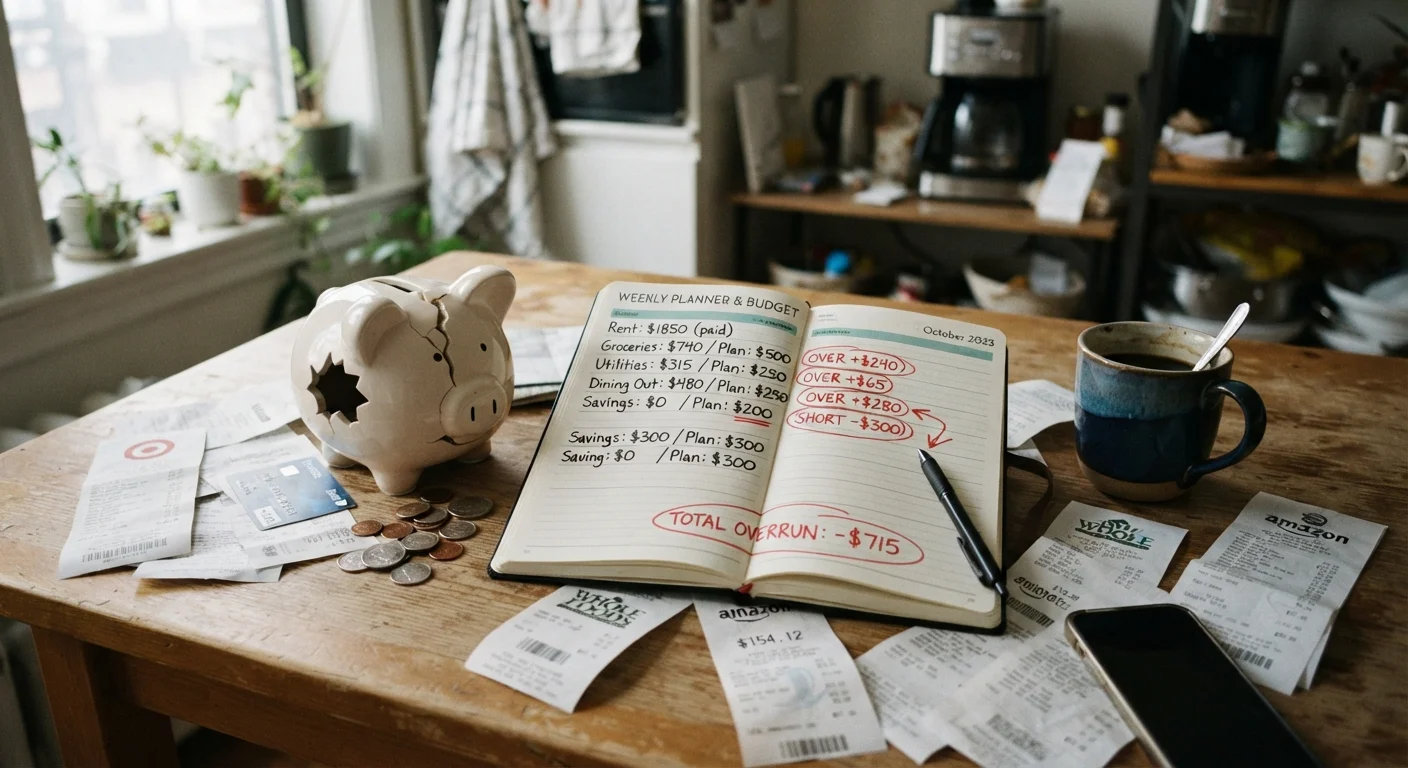
A budget can be built with care and still collapse by week three. More often than not, the culprit isn't reckless spending - it's a category of expense that wasn't accounted for, or one that was systematically underestimated. Understanding which categories tend to cause the most damage is the first step toward fixing them.
This isn't about perfection. It's about recognizing the patterns that trip people up so you can plan around them. If you're building a budget you want to last, knowing these categories in advance puts you meaningfully ahead. For a closer look at how fixed and flexible costs behave differently, see Fixed vs. Variable Expenses.
Subscription Accumulation
Streaming platforms, fitness apps, cloud storage, news sites, meal kit services - each subscription may cost anywhere from $5 to $20 per month individually. Together, they can quietly consume $100 to $200 or more each month without triggering any single alarm. The problem is compounded by free trials that convert to paid plans and annual renewals that arrive without warning.
Set a calendar reminder to audit all subscriptions at least twice a year. List every recurring charge on your accounts and ask whether each one is still actively used. Cancel anything that isn't, and consider consolidating where possible.
Subscriptions rarely feel expensive one at a time - until you count all of them together.
Dining Out and Food Delivery
Most people budget for groceries but underestimate how often they reach for takeout, restaurant meals, or delivery apps. Delivery fees, service charges, and tips can add 30-40% to the cost of a meal. When convenience spending happens several times a week - often as a stress response or time shortcut - it becomes one of the largest variable expenses in a household budget.
Rather than eliminating dining out, budget for it explicitly. Give it a realistic dollar amount based on actual past spending, not an aspirational one. Tracking even loosely tends to reduce overspend in this category significantly.
Delivery fees and tips alone can add 30-40% on top of the menu price for every order.
Irregular but Predictable Bills
Car registration, annual insurance premiums, property taxes, and semi-annual utility true-ups don't arrive every month - but they are rarely surprising in the sense that they can be anticipated. The mistake most budgets make is treating them as emergencies rather than scheduled costs.
A sinking fund is the standard fix: divide each annual or semi-annual bill by 12 (or by the months until it's due) and set that amount aside each month into a dedicated savings bucket. When the bill arrives, the money is already there. This approach also applies to vehicle maintenance - a topic explored further in Why Skipping Routine Maintenance Usually Costs More.
Irregular bills are rarely true surprises - they just need to be planned for monthly in advance.
Small Habitual Purchases
A daily coffee, a weekly magazine, convenience store stops, parking app fees, vending machine snacks - each is trivial in isolation. But a $5 daily habit runs to roughly $1,800 over a year. Small habitual purchases are particularly hard to track because they're often cash, contactless, or embedded in a broader purchase, and they feel too minor to monitor.
The fix isn't necessarily to eliminate these habits. It's to make them visible. Even one week of writing down every small purchase tends to reveal where the money actually goes.
A $5 daily habit - coffee, snacks, apps - quietly adds up to roughly $1,800 a year.
Health and Personal Care Costs
Copays, prescription refills, dental visits, eyeglasses, and over-the-counter medications are recurring costs that vary month to month and are easy to underestimate. So are personal care expenses: haircuts, salon visits, grooming products, and fitness costs. When something unexpected comes up - an unplanned dental procedure, for example - an underfunded health category can push the whole budget sideways.
Build a conservative monthly line item for health and personal care based on annual totals divided by 12. If you have a high-deductible health plan and access to a Health Savings Account (HSA), using that account strategically can help manage the tax side of these costs - but consult a qualified professional for advice specific to your situation.
Health costs are among the most underestimated budget categories, especially for households with high deductibles.
Social and Gift Spending
Weddings, birthdays, baby showers, holiday gifts, group dinners, and travel to celebrations - social obligations carry real financial weight that rarely appears in a baseline budget. The Consumer Financial Protection Bureau notes that many Americans report feeling social pressure to spend in ways that conflict with their financial goals. This category is particularly hard to plan because events feel non-negotiable and often come with little lead time.
A general "gifts and events" sinking fund - even a modest one - prevents each invitation from functioning as a budget emergency. If you're navigating variable income on top of variable social spending, the guidance in Budgeting on an Irregular Income offers a useful framework.
Social obligations - gifts, travel, group events - rarely make it into a first budget but hit hard when they arrive.
Making These Categories Work For You
None of these spending categories are inherently bad - they become problems only when they're invisible to your budget. The solution is almost always the same: surface them, quantify them, and assign them a line item.
Use a Sinking Fund for Irregular Costs
A sinking fund is simply a dedicated savings bucket for a known future expense. Divide the expected annual cost by 12 and set that amount aside each month. When the bill arrives - whether it's car registration, a dental visit, or holiday gifts - the money is already waiting. Even a basic savings account with a clear label works well for this purpose.
A useful starting point is pulling three months of bank and credit card statements and categorizing every transaction. Patterns that felt random will begin to look predictable. From there, you can build a tracking system that catches these costs before they pile up.
Use a monthly budget health check to catch slippage early, and if you tend to overspend in month two - one of the most common failure points - the article Why Budgets Fail in Month Two walks through exactly why that happens and how to prevent it.
This article is for general informational and educational purposes only. It does not constitute personalized financial, tax, or legal advice. Consult a qualified financial professional for guidance specific to your circumstances.