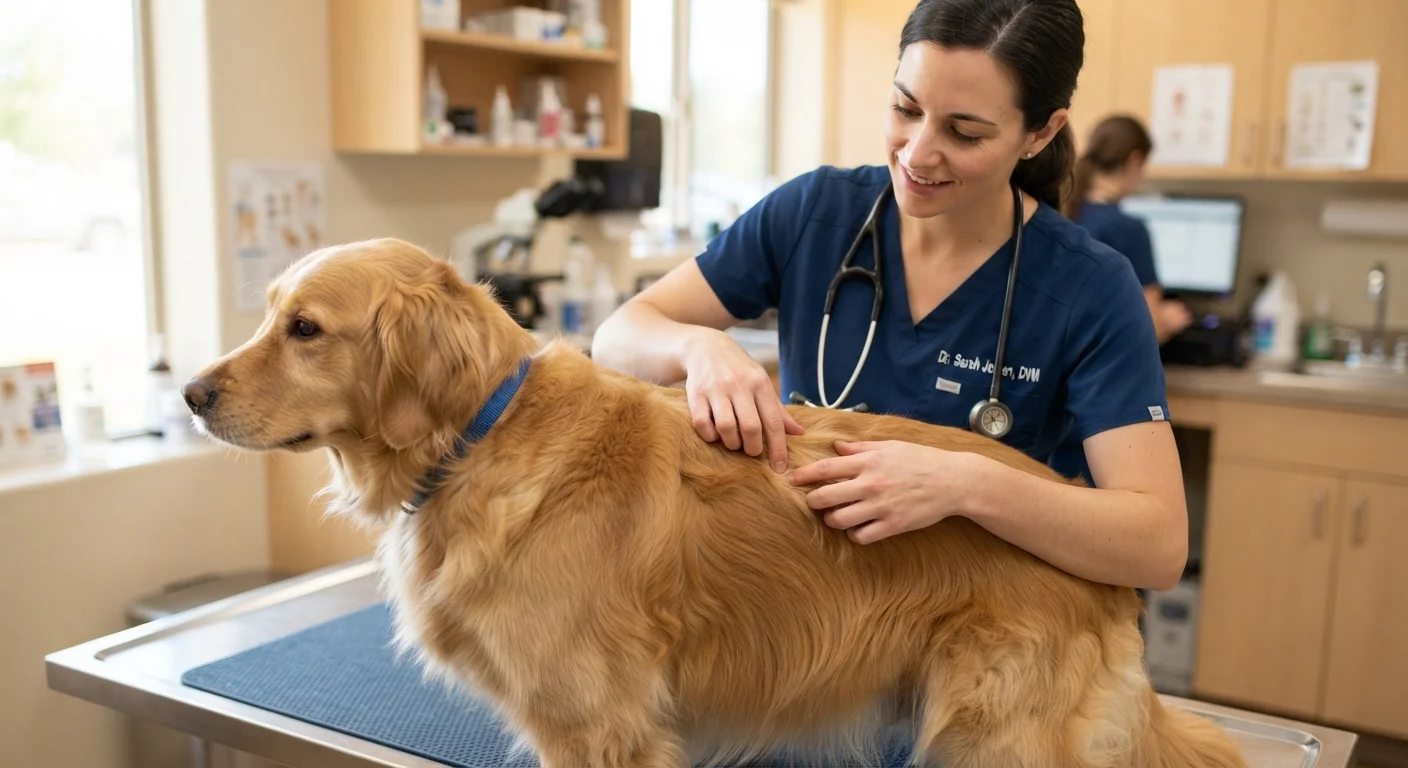
Why a Structured Nutrition Checkup Matters
Diet-related changes in pets tend to be gradual. A coat that slowly loses its luster or a waistline that quietly expands rarely triggers alarm on any single day - which is exactly why casual observation misses them. A structured checklist forces you to look deliberately rather than just glance.
This tool covers the four most informative areas: coat and skin condition, energy and behavior, digestive health, and body weight. Each category includes observable indicators that, taken together, give you a more complete picture than any one sign could. For a broader at-home health routine, the monthly pet health maintenance checklist covers additional markers to track between vet visits.
A few practical notes before you begin:
- Complete this review in a quiet space where your pet is relaxed and you can observe them without distraction.
- Gather your feeding log, current food packaging, and any recent weight records before starting.
- Results from this checklist are a starting point for a conversation with your veterinarian - not a substitute for one.
Urgent Symptoms Require Immediate Veterinary Attention
This checklist is designed for gradual, non-emergency nutrition monitoring. Sudden or severe changes - including rapid weight loss, repeated vomiting, bloody stool, collapse, or extreme lethargy - are not diet-review situations. These require prompt veterinary care. Review urgent signs in dogs and cats to understand when to seek emergency help.
What to Look For and What It May Signal
The checklist items below are organized into five groups. Work through each group systematically, noting your observations in writing so you can share them accurately with your vet. Many signs have more than one potential cause, so the goal is documentation, not self-diagnosis.
Coat and Skin
Energy and Behavior
Digestive Health
Weight and Body Condition
Food and Feeding Practice Review
If your pet is on a homemade or raw diet, pay particular attention to the food and feeding practice review group. DIY diets carry a higher risk of nutritional gaps - the nutritional gaps in homemade pet food article outlines the most common shortfalls identified by veterinary nutritionists.
Older animals deserve special attention during this review. Senior pet nutritional needs differ meaningfully from those of younger adults - protein requirements, phosphorus levels, and caloric density all typically warrant reassessment as pets age.
Symptoms Can Have Multiple Causes
Many signs flagged in this checklist - such as lethargy, dull coat, or loose stools - can result from medical conditions unrelated to diet. Do not assume food is the cause without a veterinary evaluation. Changing a pet's diet without ruling out underlying illness can delay necessary treatment.
Never Switch Foods Abruptly
If this checklist leads you to consider a new food, a sudden switch is likely to cause the very digestive symptoms you are trying to resolve. A gradual transition over 7-10 days is generally recommended. See our guide on transitioning your pet to a new food for a practical schedule.
Tools You Will Need
You do not need specialized equipment to complete this assessment, but having a few basics on hand makes the process more accurate and your findings more useful to your veterinarian.
Bathroom scale or pet scale
Weighing your pet consistently month over month so you can track weight trends rather than relying on visual estimates alone.
Feeding log or notebook
Recording meal sizes, treat counts, and any digestive or behavioral observations to share with your veterinarian.
Pet food's guaranteed analysis panel
Reviewing protein, fat, fiber, and moisture percentages to confirm the diet matches your pet's life stage requirements.
Veterinarian or veterinary nutritionist
Interpreting findings from this checklist and recommending dietary adjustments tailored to your individual pet.
If you find that your pet's food meets the AAFCO standard for the correct life stage but you are still seeing multiple red flags from the checklist, the issue may be portion sizing rather than food choice. Our guide on calculating your dog's daily caloric needs walks through the variables that affect how much your specific pet actually requires. For a deeper look at what the ingredient list and guaranteed analysis panel on your food bag are really communicating, see dog food labels decoded.
Weight management deserves its own mention: the scale reading alone can be misleading. Understanding body condition scoring gives you a more nuanced view of your pet's fitness than pounds alone.
This article provides general educational information for pet owners and is not a substitute for veterinary advice. Always consult a licensed veterinarian before making changes to your pet's diet, especially if your pet has an existing health condition.