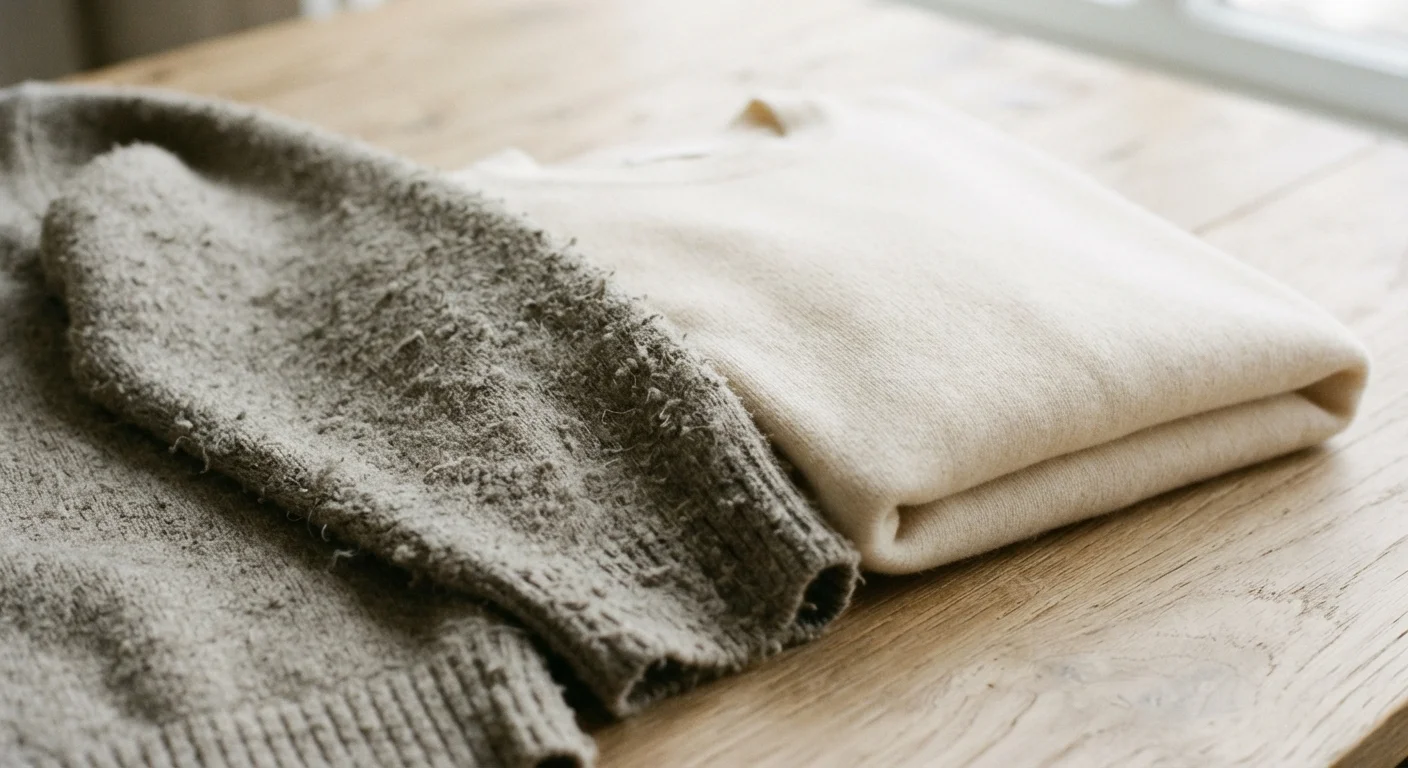
The Real Reason Your Wardrobe Wears Out
Clothes don't usually fall apart because they were cheap - though fabric quality matters. More often, they wear out because of repeated small decisions made during laundering, drying, and storage. The damage is cumulative and largely invisible until a garment is already compromised.
Understanding where deterioration actually starts gives you a practical way to extend what you already own. The fabric care habits worth building covered in a companion guide go hand-in-hand with avoiding the mistakes below.
Care Labels Are Not Suggestions
Fabric care symbols are set by manufacturers based on how each material responds to heat, agitation, and chemicals. Routinely ignoring them - machine-washing items marked dry-clean only, or tumble-drying wool - causes irreversible damage. Check the label before the first wash, not after something shrinks.
Common Mistakes That Shorten Garment Life
The following errors are consistent across fabric types and price points. Correcting even two or three of them can meaningfully extend the lifespan of everyday clothing.
Washing clothes more often than necessary.
Why it happens: Many people default to washing after every single wear out of habit or a vague sense that clean always means better cared-for.
Using high dryer heat as the default setting for every load.
Why it happens: High heat dries faster, and most people optimize for speed without thinking about the cumulative effect on fibers.
Hanging knits and bias-cut garments instead of folding them.
Why it happens: Hanging feels like the tidy, organized choice, but gravity pulls heavy or stretchy fabrics out of shape over time.
Skipping the pre-treatment step on stains and washing anyway.
Why it happens: Pre-treatment adds a step, and people assume the washing machine will handle it.
Overloading the washing machine.
Why it happens: Cramming in a full load feels efficient, but overcrowded machines create excess friction between garments and prevent proper rinsing.
Storing clothes in damp, unventilated spaces.
Why it happens: Closets and storage bins are convenient but often overlooked as a source of moisture damage, mildew, and fiber breakdown.
~40%
Of garment lifespan lost to improper washing
Textile industry research consistently estimates that aggressive laundering - high heat, high agitation, excess frequency - accounts for a substantial share of premature garment wear, though exact figures vary by fabric type and study methodology.
3-4x
Longer life with air drying vs. machine drying
Consumer textile studies suggest garments dried on a line or rack last considerably longer than those subjected to repeated high-heat tumble drying, particularly for natural fibers like cotton and wool.
It's also worth noting that fit affects wear patterns. Garments that are too tight in the wrong places - underarms, thighs, seat - experience concentrated friction that accelerates deterioration. If you're investing in quality pieces, see whether alterations make sense first: what's worth altering and what isn't is a useful reference before you rule it out.
Putting It Into Practice
None of these changes require expensive products or extra time - most are simply about breaking default habits. Wash less, dry cooler, store thoughtfully, and read the label before the first cycle rather than after something goes wrong.
If you're also weighing whether secondhand clothing fits into your wardrobe strategy, how buying secondhand affects fabric condition and care history is worth reading - care history on a used garment matters more than most people realize.
And if you find yourself buying replacements frequently despite following reasonable care practices, the issue may be rooted in beliefs about fashion that don't hold up to scrutiny. Common fashion myths - like the idea that expensive always means durable - are worth examining before your next purchase.