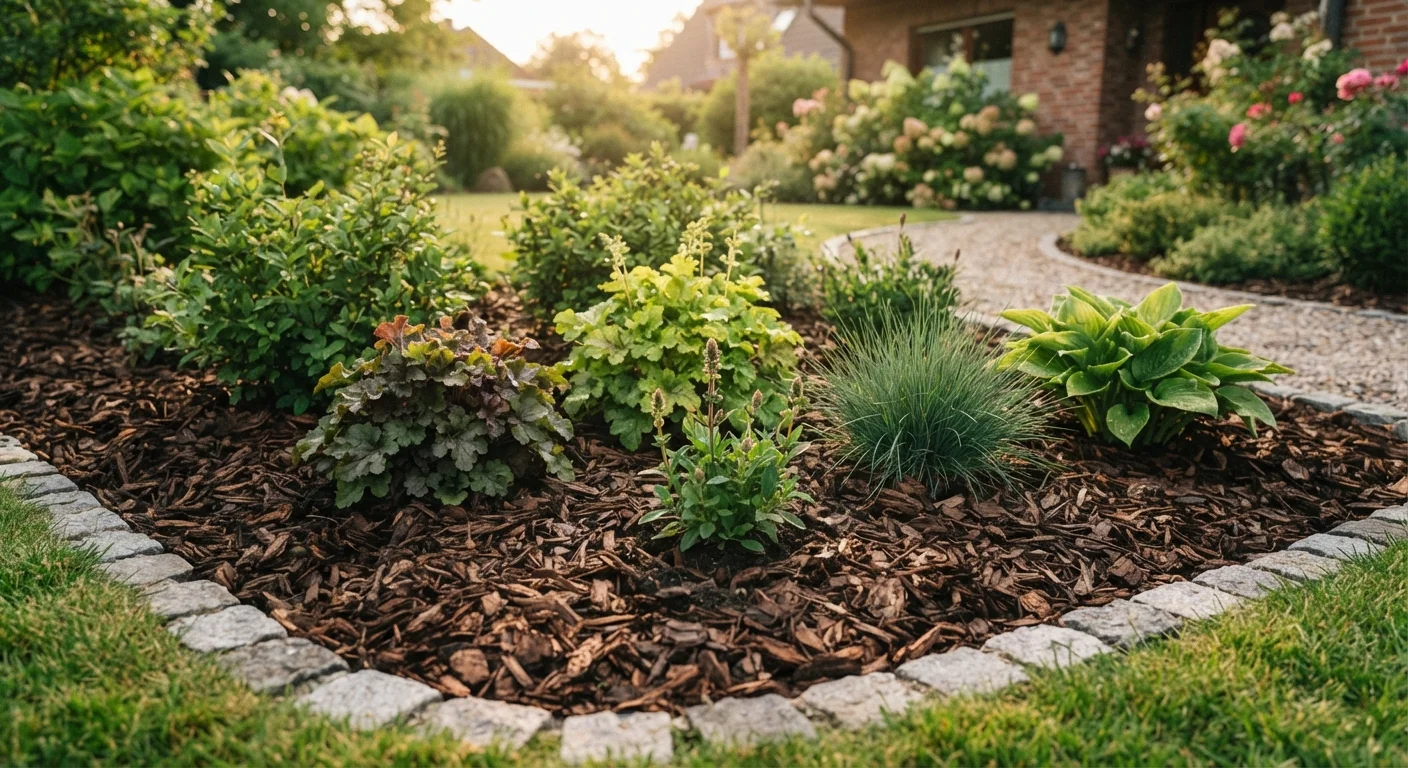
Why Mulch Earns Its Place in Any Garden
Mulch does more work per square foot than almost any other garden input. A properly applied layer slows soil moisture evaporation, moderates soil temperature swings between seasons, suppresses weed germination, and - in the case of organic materials - feeds the soil as it decomposes. That's a lot of return for a relatively simple task.
The catch is that mulch applied incorrectly can work against you. Too thin and it does almost nothing. Too thick and it smothers roots, harbors pests, and blocks water from reaching the soil at all. Understanding a few core principles makes the difference between mulch that helps and mulch that hurts.
For gardeners already thinking about overall soil health, mulching pairs well with composting. See our guide to composting at home for a complementary approach to building better soil from the ground up.
Up to 70%
Soil moisture retention improvement with proper mulch
Research from cooperative extension programs indicates mulched beds can retain significantly more soil moisture compared to bare soil, reducing the need for supplemental irrigation.
2-4 inches
Recommended mulch depth for most garden beds
This range is consistently cited by university horticulture extension programs as the practical target that balances weed suppression, moisture retention, and root health.
Choosing the Right Mulch Material
Organic mulches - wood chips, shredded bark, straw, pine needles, and shredded leaves - are the workhorses of most home gardens. They break down slowly, feed soil organisms, and improve soil structure over time. Inorganic options like gravel or landscape fabric block weeds but contribute nothing to soil fertility and can create drainage or heat problems in certain settings.
For most ornamental beds and vegetable gardens, shredded wood or bark is a practical choice. Pine straw works well around acid-loving plants. Straw (not hay, which contains seeds) is a common pick for vegetable beds. Shredded leaves - free if you have trees - are an underrated option that breaks down into excellent organic matter.
Free Mulch Is Often Closer Than You Think
Many municipal composting programs and tree-trimming services offer free or low-cost wood chips. Shredded leaves from your own yard cost nothing and break down into excellent organic matter. Before purchasing bagged mulch, check whether a free local source is available - the quality is often comparable or better.
Whatever material you choose, source it carefully. Mulch made from diseased wood or contaminated compost can introduce pathogens to your beds. If you're buying bulk wood chips, ask about the source material.
Getting the Depth Right
Depth is where most mulching mistakes happen. The general guidance from university extension programs is a 2-4 inch layer for most applications - enough to suppress weeds and hold moisture without cutting off oxygen to roots or creating a waterlogged environment at the soil surface.
- Under 2 inches: Weed seeds find gaps easily; moisture evaporates quickly. You get minimal benefit.
- 2-4 inches: The practical target for most ornamental beds and around established shrubs and trees.
- Over 4-6 inches: Can restrict oxygen exchange, repel water (some mulches become hydrophobic when too thick), and encourage shallow rooting.
For newly planted perennials or annuals, stay toward the lower end of that range while plants establish. Around larger trees and shrubs, a consistent 3-inch layer extending to the drip line - not touching the trunk - is a reasonable target.
Best Practices for Applying Mulch
Always clear weeds and debris from the bed before applying mulch
Mulch suppresses weed seeds but does little to stop established weeds already rooted in the soil. Starting with a cleared bed gives the mulch the best chance to do its job effectively.
Keep mulch pulled back 2-3 inches from the base of all plant stems and trunks
Direct contact between mulch and stems traps moisture against the bark, creating conditions ripe for rot, fungal disease, and insect harborage. The gap is small but critical.
Maintain a 2-4 inch depth and audit it each season
Organic mulch decomposes over time, so what was 3 inches in spring may be less than an inch by fall. Annual top-dressing keeps the layer effective, while checking before adding prevents over-accumulation.
Water the bed thoroughly before laying mulch
Mulch acts as an insulator, locking in whatever soil moisture exists at application time. Mulching dry soil traps dryness, while mulching moist soil preserves that moisture through dry spells.
Extend mulch to the drip line around trees and shrubs, not just the base
Tree roots extend outward well beyond the trunk. Mulching only close to the trunk misses most of the active root zone while creating the damaging trunk-contact problem.
Applying mulch is straightforward once you know what to watch for. Pull weeds before laying mulch - don't count on mulch to smother established weeds. If you want extra weed suppression beneath the mulch, several layers of plain cardboard or newspaper (no glossy coatings) can help, though these should not replace proper mulch depth. For more non-chemical weed management strategies, see our guide to natural weed control.
Common Mulching Mistakes to Stop Making
Even experienced gardeners repeat a few persistent mulching errors. The most damaging:
- Volcano mulching: Piling mulch in a cone against tree trunks invites rot, disease, and pest harborage. Always keep mulch a few inches away from the base of any trunk or stem.
- Refreshing without removing: Adding new mulch on top of old layers year after year can build up to 6 or more inches. Pull back old mulch, check depth, and top-dress only what's needed.
- Using weed barrier fabric under organic mulch: Landscape fabric under wood chips traps moisture, creates anaerobic conditions, and eventually becomes a weed-growing surface itself as decomposed mulch accumulates on top.
- Mulching dry soil: Mulch locks in whatever moisture is present when you apply it. Water thoroughly before mulching, not after.
If you've noticed plants struggling despite regular care, it's worth checking whether mulch practice is a contributing factor. Our guide to common garden myths covers other well-intentioned practices that can backfire.
Dyed Mulch: Cosmetic Choice, Not a Plant Decision
Colored mulches - typically red, black, or brown - are dyed for aesthetic consistency and are generally considered safe for garden use when made from untreated wood. However, some dyed mulches are produced from recycled wood that may include treated lumber. If you're gardening with edibles, opt for mulch with transparent sourcing and avoid anything labeled as recycled pallets unless verified untreated.
Timing and Seasonal Considerations
Mulch can go down at almost any time of year, but two windows tend to deliver the most benefit. Applying in mid-spring - after the soil has warmed but before peak weed germination - sets you up for a lower-maintenance summer. A fall application, after the growing season winds down, insulates roots from freeze-thaw cycles through winter.
Avoid mulching over frozen ground in winter or bare soil in early spring before it has warmed; both can delay soil warming and stress roots. And because mulch affects how much water reaches your soil, your irrigation approach may need a small adjustment. See how mulch interacts with watering schedules in our lawn watering guide.
For trees and shrubs specifically, mulching at the right depth and distance from the trunk is one of the most impactful things you can do for long-term plant health. Our guide to caring for trees and shrubs covers this in broader context.