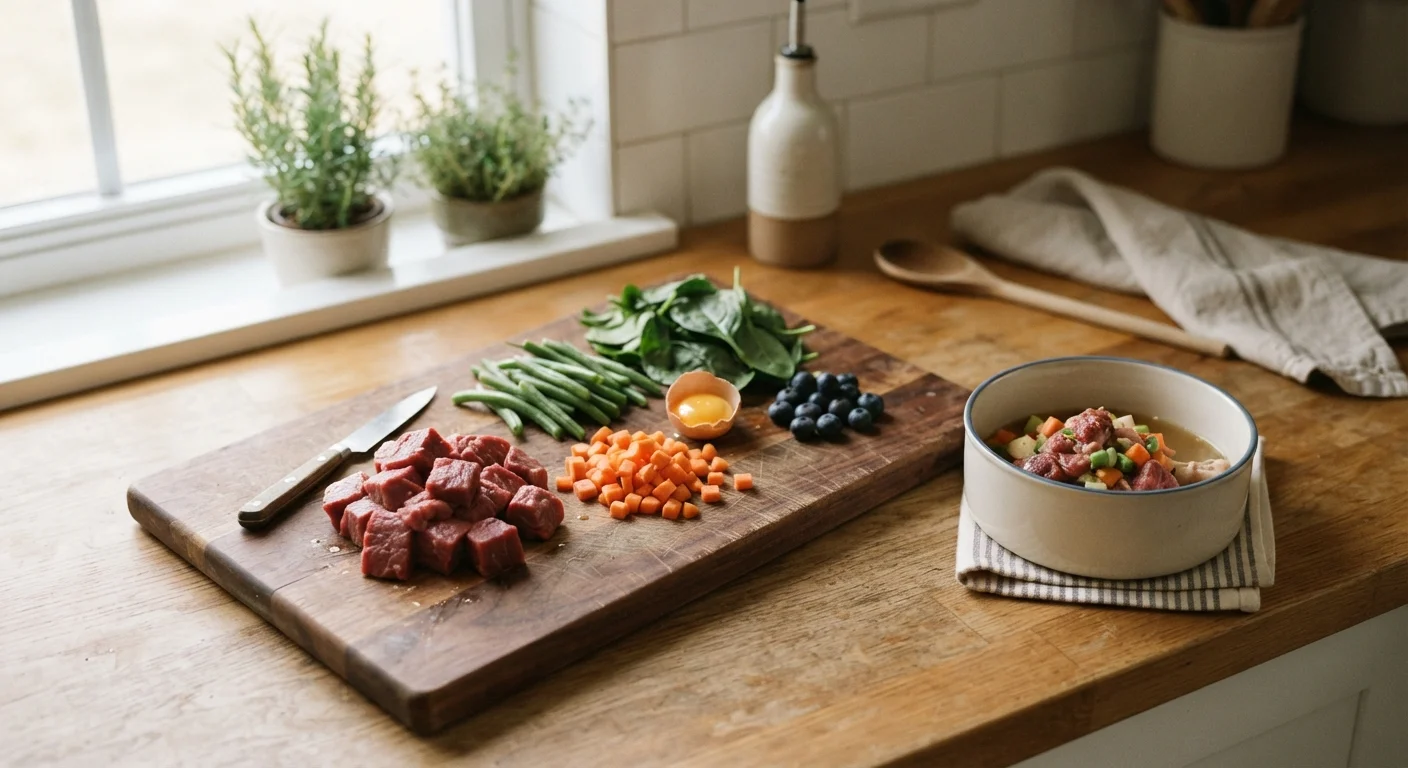
What Is a Raw Diet for Dogs?
A raw diet for dogs - sometimes called a BARF diet (Biologically Appropriate Raw Food) or a prey-model diet - typically consists of uncooked muscle meat, organ meat, raw meaty bones, and varying amounts of fruits, vegetables, eggs, or dairy. The core idea is that dogs evolved eating whole, unprocessed animal carcasses, and their digestive systems are adapted to that input.
Raw feeding can take several forms: commercially prepared frozen or freeze-dried raw meals, home-prepared recipes assembled by the owner, or a hybrid approach that supplements commercial food with raw ingredients. Each carries different levels of nutritional completeness and handling risk. To understand how this compares to conventional options, see dry vs. wet food nutritional trade-offs.
What Advocates Claim
Proponents of raw feeding frequently report improvements in coat shine, skin condition, stool volume, energy levels, and dental health in their dogs. Some also point to reduced allergy symptoms and better weight management. These accounts are widespread in raw-feeding communities and are worth taking seriously as observational data - even if they fall short of clinical proof.
High protein bioavailability from unprocessed muscle meat
Raw muscle meat retains its natural protein structure, which some research suggests may be more digestible than heat-denatured protein in heavily processed kibble.
Reported improvements in coat condition and skin health
Many owners observe shinier coats and reduced skin irritation, potentially linked to the higher fat content and absence of certain additives found in some commercial foods.
Lower stool volume often reported
Because raw diets are typically lower in fermentable fiber and fillers, dogs often produce smaller, firmer stools - an indirect sign of high nutrient absorption.
Positive effects on gut microbiome diversity
Preliminary research suggests raw-fed dogs may have different gut microbiome profiles than kibble-fed dogs, though whether this translates to measurable health benefits is not yet established.
Greater owner control over ingredient sourcing
Home-prepared raw diets allow owners to select specific protein sources, which can be useful for dogs with confirmed food sensitivities when managed under veterinary guidance.
Many advocates argue that heavy processing destroys heat-sensitive nutrients and that dogs thrive on the bioavailable proteins and natural enzymes found in raw food. Some also question the ingredient quality in certain commercial diets - a concern that reading dog food labels carefully can help owners evaluate independently.
What the Evidence Actually Shows
Peer-reviewed research on raw diets for dogs remains limited in scale and duration. Some studies have found higher digestibility of certain nutrients in raw meat compared to cooked counterparts, and one area of genuine interest is the effect on gut microbiome composition. However, no large, long-term controlled trial has demonstrated clear health superiority of raw diets over nutritionally complete commercial diets.
~74%
Raw diet recipes with nutritional deficiencies
A study published in the Journal of Nutritional Science found that approximately 74% of home-prepared raw canine diet recipes analyzed did not meet minimum nutritional guidelines.
~21%
Commercial raw foods testing positive for Salmonella
FDA sampling studies of commercially available raw dog food products found Salmonella contamination in roughly one in five samples tested.
Nutritional adequacy is a consistent concern in the literature. Multiple analyses of home-prepared and even commercial raw diets have identified imbalances - particularly in calcium-to-phosphorus ratios, vitamin D, and trace minerals. This mirrors findings in homemade cooked diets; see nutritional gaps in homemade pet food for a parallel discussion.
Documented Risks and Safety Concerns
The risks associated with raw feeding are better established in the literature than the benefits. The U.S. Food and Drug Administration (FDA) and the American Veterinary Medical Association (AVMA) have both published guidance discouraging raw meat diets, citing consistent evidence of microbial hazards.
High risk of bacterial contamination in raw meat
Pathogens including Salmonella and Listeria have been detected in commercially prepared raw dog foods at concerning rates, posing health risks to both pets and their human household members.
Nutritional imbalances are common without expert formulation
Multiple peer-reviewed analyses have found that a large proportion of raw diet recipes - both home-prepared and commercial - fail to meet established nutritional standards for dogs.
Raw bones carry injury risk
Weight-bearing bones can fracture teeth, and bone fragments can cause esophageal or intestinal obstruction, conditions that may require emergency veterinary intervention.
Elevated risk for immunocompromised household members
Children, elderly adults, pregnant individuals, and those on immunosuppressive therapies face greater risk from incidental exposure to raw meat pathogens through food handling or contact with a dog's mouth or feces.
No large-scale clinical trials confirm long-term safety
The absence of robust longitudinal studies means owners and veterinarians lack the evidence base needed to confidently assess long-term health outcomes of raw feeding.
Higher cost and preparation demands than commercial diets
Sourcing quality raw ingredients, maintaining safe storage temperatures, and preparing balanced meals requires significantly more time, planning, and expense than most commercial options.
Bacterial contamination is the most extensively documented concern. Studies have detected Salmonella, Listeria monocytogenes, E. coli, and other pathogens in commercially prepared raw dog food products. These bacteria can shed in an infected dog's feces even when the dog shows no symptoms, creating exposure risk for human household members - particularly children, the elderly, and immunocompromised individuals.
Bone-related injuries - including tooth fractures, esophageal obstruction, and intestinal perforation - are another documented hazard associated with raw and recreational bones. The risk is highest with weight-bearing bones from large animals.
Handling Raw Meat Safely at Home
If you do prepare raw meals for your dog, the FDA recommends treating raw pet food with the same precautions as raw meat for human consumption: use separate cutting boards and utensils, wash hands thoroughly after handling, sanitize all surfaces, and keep raw food frozen until use. Dogs fed raw diets should not be allowed to lick faces, especially those of young children or immunocompromised individuals.
For a broader view of what dogs should never ingest, human foods toxic to dogs is a useful companion reference.
Making an Informed Decision
Raw feeding is not inherently irresponsible, but it demands more active management than opening a bag of kibble. Owners who choose this path should treat it like any other complex nutritional intervention: with professional input, ongoing monitoring, and a willingness to adjust.
A board-certified veterinary nutritionist (recognized by the American College of Veterinary Nutrition) can formulate or evaluate a raw diet for nutritional completeness. Routine bloodwork and body condition scoring help catch deficiencies before they cause lasting harm. If your dog shows signs that the current diet isn't meeting their needs, this nutrition checkup guide outlines what to look for.
Owners curious about other diet debates - including grain-free marketing claims - will find a similar evidence-based breakdown in grain-free pet diets: separating science from marketing.
This article provides general nutrition education and is not a substitute for personalized veterinary advice. Always consult a licensed veterinarian or board-certified veterinary nutritionist before making significant changes to your dog's diet.